


 DRAM Prices Surge 172% YoY with No Signs of Slowing Down
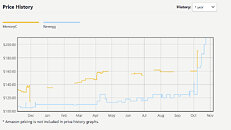
Toward the end of last month, we reported a notable disruption in the memory supply chain. Manufacturers retroactively increased RDIMM prices by 40-50% just in August, despite hyperscalers signing agreements at much lower prices. This change is now rapidly affecting consumers. According to the latest report from CTEE, DRAM prices have surged 171.8% year-over-year, making this "commodity" one of the most valuable assets for applications ranging from data centers to home builds. If you're building a PC and notice that your desired memory kit's price has skyrocketed, you're not alone. The DRAM shortage has driven these modules to sky-high price levels. This is attributed to the demand for AI consuming the entire memory and storage supply as data center expansion continues.
To make the point even more worrisome, South Korean memory giants like Samsung and SK Hynix are unable to fulfill all orders, with only 70% of them being completed. This is pushing Tier-1 U.S. and Chinese cloud order books to an effective 70% fill rate and eliminating the safety stock that most buyers believed they had secured. Module manufacturers such as Kingston and ADATA are now paying $13 for 16 GB DDR5 chips that cost $7 just six weeks ago, an increase significant enough to erase their entire gross margin. Even more concerning is the fact that smaller OEMs and channel distributors have been told to expect only 35-40% fulfillment through the first quarter of 2026. This not only delays their planned product rollouts but also jeopardizes their expected revenue streams if the situation persists. They face the choice of either gambling on the spot market for a massive markup or leaving their production lines idle.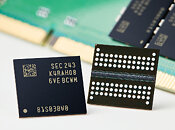
Read full story
More...


