-
Robot
Most Wanted

- Rep Power
- 82
 Report: Cloud-hosted Desktops Now Cheaper Than Laptops for Businesses?
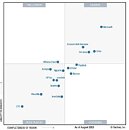
According to the technology analyst firm, Gartner, we learned this week that hosted desktops, known as Desktop-as-a-Service (DaaS), are now often less expensive to operate than traditional laptops and are expected to become cost-effective for most employees within two years. That could force many enterprises to invest more in DaaS rather than their local PC infrastructure. In its Magic Quadrant for DaaS, Gartner forecasts that by 2027, approximately 20% of workers will use a cloud-hosted machine as their primary workspace, up from around 10% in 2019. The firm also expects DaaS to be cost-effective for approximately 95% of use cases/roles by 2027, compared with roughly 40% in 2019. Gartner cites lower total cost of ownership as a key factor, especially when organizations pair DaaS with light, inexpensive thin-client endpoints. New deployments are increasingly cloud-first, and many firms are choosing hosted solutions over building or expanding on-premises virtual desktop infrastructure. Especially with AI buildout requiring expensive GPUs, it could be more viable for enterprises to use a hosted acceleration when needed, instead of buying expensive hardware for local processing.
The report shows several market leaders and practical questions for IT teams. Microsoft is named the standout vendor for its wide cloud reach, workplace tools, and AI features, though buyers are advised to consider the differences between Windows 365 and Azure Virtual Desktop. Citrix is praised for its strong management and protocol technology, but is warned for offering bundled packages and long subscription terms. Omnissa is recognized for scalable offerings, while some customers worry about global support. AWS earns credit for integrating management tools into Workspaces. Beyond vendor rankings, experts highlight a new use case that could transform desktop strategy. As AI tools and autonomous agents begin to handle routine computer tasks, they will likely need their own optimized virtual workspaces. That raises questions about how those spaces will be designed, secured, and licensed. However, the takeaway is clear: budget planning, procurement, and desktop strategy must adapt to recurring cloud costs, endpoint choices, and a future where both people and software agents coexist in the digital workplace.
More...
 Posting Permissions
- You may not post new threads
- You may not post replies
- You may not post attachments
- You may not edit your posts
-
Forum Rules


