-
Robot
Most Wanted

- Rep Power
- 82
-
Robot
Most Wanted
- Rep Power
- 82
 (PR) Gigabyte Announces Revolutionary Ultra Turbo Mode Performance Boo
GIGABYTE Technology, a global leader in high-performance motherboards, graphics cards, and hardware solutions, today announces the groundbreaking Ultra Turbo Mode feature for its Intel Z890 series motherboards. This innovative BIOS level enhancement unlocks significant gaming performance boosts of up to 35% without requiring any additional hardware investment. With a simple BIOS update, users can access dramatically enhanced system performance, further solidifying GIGABYTE's commitment to delivering innovative, reliable, and performance-driven solutions.
Maximize Performance without Extra Expense
The Ultra Turbo Mode extracts maximum performance from systems without the need for expensive hardware upgrades. By intelligently optimizing BIOS settings, this revolutionary feature unlocks hidden potential in the latest Intel Core Ultra 2 9/7/5 K-SKU processors. The results are impressive: memory performance achieves a remarkable boost of up to 68% in AIDA64 testing across various high-performance memory configurations. Gaming performance also sees significant gains, with up to 35% higher frame rates in demanding AAA titles like Hitman 3: Dartmoor.
Read full story
More...
-
Robot
Most Wanted
- Rep Power
- 82
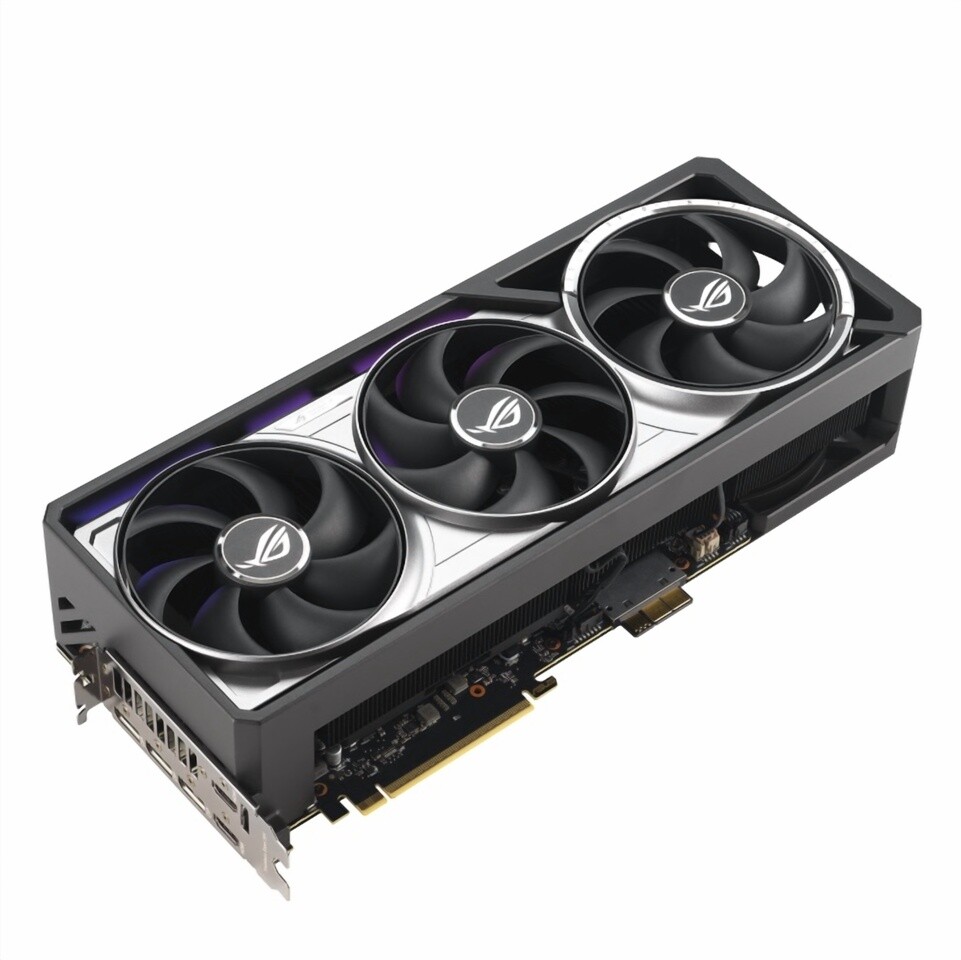
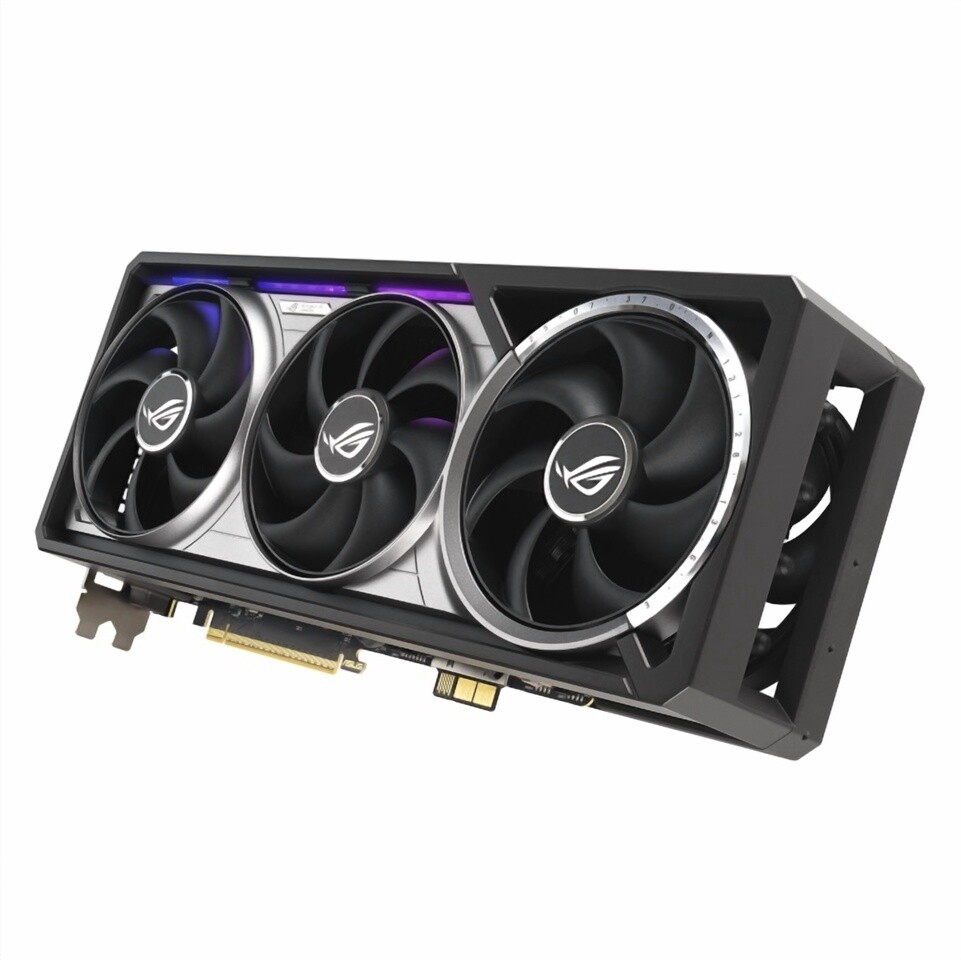
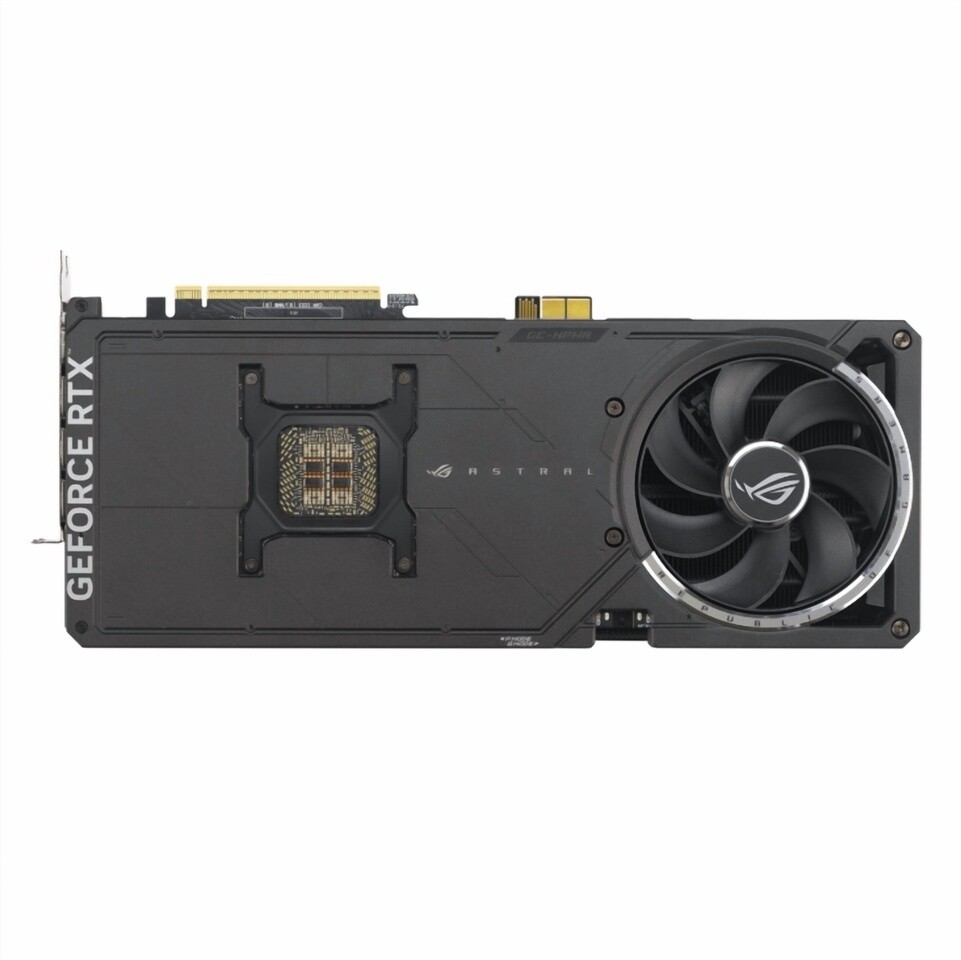
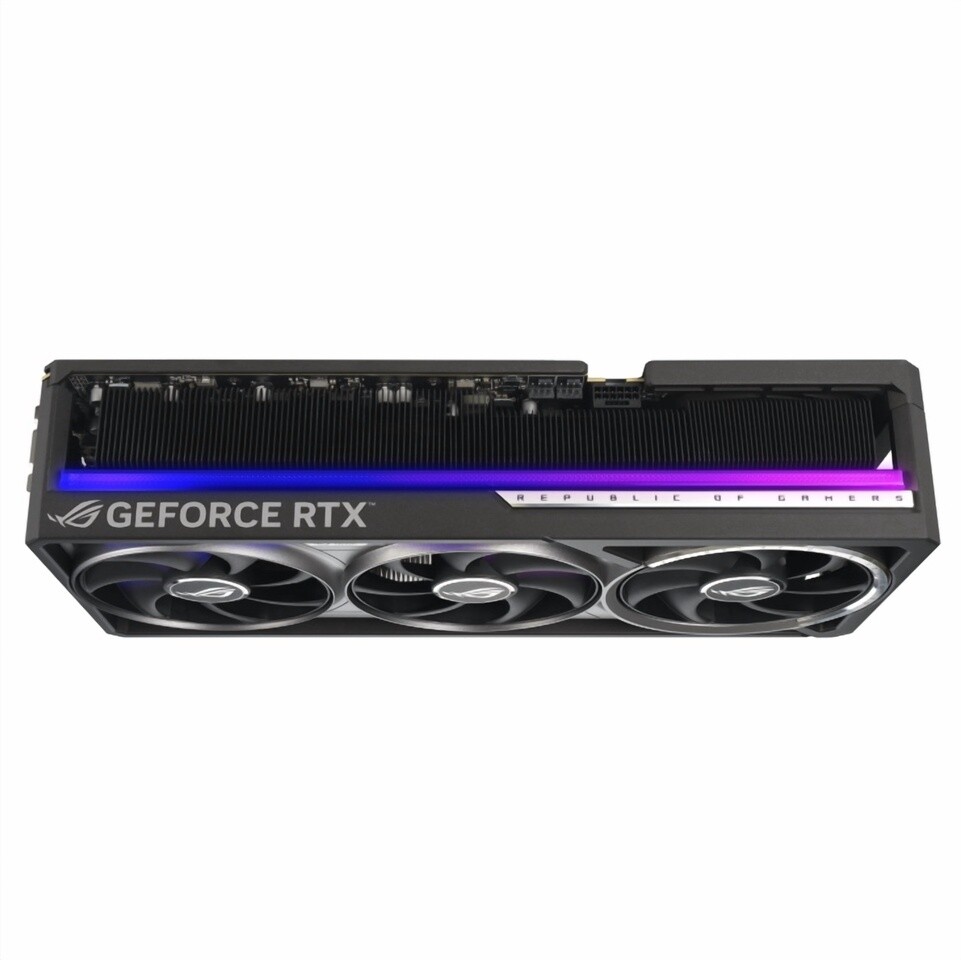
ASUS ROG Astral RTX 5090 BTF Edition Debuts with GC-HPWR Connector
ASUS has expanded its BTF GPU ecosystem with the launch of the ROG Astral GeForce RTX 5090 32 GB GDDR7 BTF OC Edition, marking the first Astral model to adopt the detachable Graphics Card High-Power (GC-HPWR) connector. Building on improvements showcased in version 2.5, this new variant is engineered to supply over 1,000 watts through the high-power slot alongside the traditional 12V-2x6 connection located behind the PCIe connector. The ROG Astral RTX 5090 BTF Edition inherits the core specifications of its non-BTF sibling, which we reviewed here, but distinguishes itself with enhanced power delivery and compatibility. ASUS's removable GC-HPWR adapter allows integration with both standard motherboards and upcoming BTF-ready boards, promising greater flexibility for system builders and the aesthetic experience of no cables connected to the GPU.
This model employs the same four-fan configuration, vapor chamber, and optimized fin spacing, while a phase-change GPU thermal pad ensures maximum contact with the GPU die. According to ASUS, the quad-fan layout can boost airflow and pressure by up to 20%. Additional features include real-time monitoring of temperatures and power draw on the 12V-2x6 connector, accessible via GPU Tweak III, which also provides fine-tuning controls such as voltage and frequency adjustments, as well as thermal mapping. Although pricing has yet to be confirmed, ASUS will reflect the card's feature set with a price increase. Availability is expected in the third quarter, alongside other BTF products, such as the white-edged TUF Gaming Radeon RX 9070 XT and various ROG motherboards.


More...
-
Robot
Most Wanted
- Rep Power
- 82
AMD Ryzen AI 9 HX 475 & 470 "Gorgon Point" APUs Surface in Shipping Ma
Last month, a confidential presentation in China gave AMD's laptop partners their first glimpse of what's coming next. The slides hinted at modest clock-speed improvements and the addition of more entry-level models, all under the codename "Gorgon Point." Not long after, NBD's shipping manifests today show a series of new FP8, FP10, and FP12 product codes. These identifiers don't match any existing "Strix Point" or "Kracken Point" chips, so it's clear AMD is gearing up for a Ryzen AI 400-series refresh set to roll out around mid-2026. Despite the new name, Gorgon Point sticks with the same winning formula. It still uses Zen 5 and Zen 5c CPU cores alongside RDNA 3.5 graphics and XDNA 2 neural accelerators. Core counts haven't changed, so you'll see configurations ranging from 4 to 12 cores just like before, with up to 4x Zen 5 and 8x Zen 5c cores.
What's different, according to the leaked partner slides, is a slight bump in boost clocks. The top-end Ryzen AI 9 HX 475 and 470 chips are now rated for up to 5.2 GHz, a slight but welcome increase from the previous 5.1 GHz, while maintaining a 28 W default TDP. AMD is also broadening its reach into budget laptops. In addition to the Ryzen 9 HX upgrades, the company will introduce new Ryzen 5 and Ryzen 3 models. Early leaks mention parts numbered 440 and 430, as well as a mystery Ryzen 3 SKU. These entry-level chips will use the same Gorgon Point silicon but will be tuned for cost-sensitive devices. Branding will likely follow AMD's recent pattern. Given how AMD has renumbered previous families, slotting Gorgon Point into familiar retail channels should be straightforward. Until AMD makes an official announcement, these shipping manifests and partner leaks are the best clues we have about the performance and efficiency gains in the next wave of AI-accelerated laptops.


More...
-
Robot
Most Wanted
- Rep Power
- 82
TechPowerUp and ID-Cooling Announce Summer Giveaway
TechPowerUp and ID-Cooling bring our readers from all over the world a sizzling hot Giveaway for the Summer. Give your CPU the chill it deserves with ID-Cooling, one of the leading brands with PC cooling hardware. We have six prizes up for grabs, each a segment-leading product by ID-Cooling. One lucky winner gets an ID-Cooling SL360 AIO CLC and a pack of three AF-127-ARGB-K fans, for a prize value of $200. Two lucky winners each get an ID-Cooling FX360 INF AIO CLC with AS-120-ARGB-K fans, for a prize value of $100, each. Lastly, three lucky winners each get an ID-Cooling Frozn A620 PRO SE dual fin-stack CPU air cooler.
The SL360 is ID-Cooling's top AIO liquid CPU cooler, with a smart display on top of the pump-block that puts out real-time monitoring stats. It comes with a trio of premium AF-127-ARGB fans that have fluid dynamic bearings. The FX360 INF is a compelling mid-range 360 mm AIO liquid CPU cooler, with an infinity reflection ornament on the pump-block, and some ARGB lighting bling. The Frozn A620 PRO SE is a powerful dual fin-stack tower-type CPU cooler capable of taking on even high core-count desktop CPUs. Once again, the Giveaway is open worldwide, wherever legal, it's open from today (June 27) until July 4. We will announce winners on July 7. There are seven ways to drop your hat in, and you can increase your chances of winning by sharing the Giveaway across your social media, vising the ID-Cooling website to check out their products, or their social media handles.
For more information, and to participate, visit this page.
More...
-
Robot
Most Wanted
- Rep Power
- 82
F2P JRPG Persona5: The Phantom X Tops Franchise Charts Hours After Lau
Persona5: The Phantom Xlaunched earlier this week as a free-to-play JRPG spin-off of Persona5 Royal, and within the first 48 hours of the game's launch it has already become the second most popular game in the Persona franchise, at least if the Steam numbers are anything to go by. According to SteamDB, which tracks concurrent player counts, Persona5: The Phantom X has already reached a peak concurrent player count of 41,622 players, which is over 6,000 higher than Persona 5 Royal, which launched in 2022. Persona5: The Phantom X also launched simultaneously on the Google Play Store, where it has already surpassed 500,000 downloads, and on the Apple App Store.
At the time of writing, the only Persona game that still maintains a higher all-time peak concurrent player count than Persona5: The Phantom X is Persona 3 Reload, which launched on Steam in January 2024 and almost immediately peaked at 45,002 concurrent players. Part of the reason for the success of The Phantom X is likely the free-to-play nature, and despite the solid player count, not everything about the launch is positive, with the current Steam review rating sitting at a rather mediocre 71% positive. Most of the negative reviews on the Steam Store page point to aggressive monetization and gacha mechanics, which are often perceived as predatory, although there are many reviews that still praise the game for not taking the gacha side too far and delivering a game that sticks to the JRPG roots of the Persona games. Persona5: The Phantom X features heavily stylized visuals typical of a Persona game, and turn-based spectacle combat, and the story follows a high school student who goes on nightly adventures to thwart villains and bring back order to the world.

Read full story
More...
-
Robot
Most Wanted
- Rep Power
- 82
The Expanse: Osiris Reborn Will Trade Epic Space Battles for In-Depth
The Expanse: Osiris Reborn is an upcoming squad-based RPG from Owlcat Games that promises to adapt the popular sci-fi story of The Expanse. The story-driven, party-based RPG will, however, skip out on The Expanse's iconic space battles. Instead, The Expanse: Osiris Reborn will focus more on interpersonal relationships and the effects of the story on the Belters and the inhabitants of the inner planets. Players will base their operations out of a ship, and the studio is leaning into the property's hard sci-fi origins, using physics and environmental cues to make space feel like "a very dangerous and unwelcoming place to be," but they won't be able to use that same ship to wage war in the vastness of space.
In a recent interview with CNET, the game's creative director, Alexander Mishulin, explains that, while Osiris Reborn won't revisit the story of Holden and the crew from The Expanse, the game will explore the repercussions of the events of season one and two of the TV series. Players will, however, run into characters from the Rocinante crew in their adventures, and they will seemingly experience the horrors of the Protomolecule first-hand. The game will allegedly take inspiration from a number of games, including Mass Effect, Dark Souls, and Baldur's Gate 3. Specifically, the game studio says that Osiris Reborn will offer a lot of flexibility when it comes to the type of character you want to build and how you want to develop them throughout the story. Additionally, NPCs and companions will each have their own personality and develop on their own time, even if they're not part of the player's party.
Read full story
More...
-
Robot
Most Wanted
- Rep Power
- 82
Ark 2 Gets Disappointing Update as Dinosaur Survival Game Optimistical
Ark 2, the long-awaited sequel to Ark: Survival Evolved, was originally slated to launch as early as 2023, but it was later delayed to late 2024, and shortly after that deadline was missed, the Steam release date was simply changed to "to be announced." Now, however, the studio behind the Ark franchise, Studio Wildcard, says that it is optimistic for a 2027 launch. In an interview with PCGamesN, co-founders of the studio, Jesse Rapczak and Jeremy Stieglitz, said that the studio put Ark 2 on hold partially to make Ark Survival Ascended, which has helped the team further come to grips with Unreal Engine 5 and test out the new capabilities and technologies on offer from the new game engine.
"A small portion of our team continues to refine the mechanics of [Ark 2's] combat... It's very difficult to do soulslike combat in a multiplayer PvP context," says Stieglitz, adding that at least 18 months of focussed development work will be required to turn the existing content for Ark 2 into a playable early access game. Ark Survival Ascended has since launched in the meantime, and in the interview with PCGamesN, the game studio's executives say that it is still looking for the right time to pivot its development efforts from Ascended to Ark 2 without compromising the revenue stream generated by Ark Survival Ascended. Wildcard and prior Ark 2 trailers have made a number of ambitious promises when it comes to Ark 2, including a revamped traversal system, soulslike PVP combat, and a switch to third-person gameplay. The new game will also include NPC enemies—other than the wild beasts usually encountered in current Ark games—further complicating the development of the new game.
More...
-
Robot
Most Wanted
- Rep Power
- 82
-
Robot
Most Wanted
- Rep Power
- 82
-
Robot
Most Wanted
- Rep Power
- 82
Vulkan API Unifies Image Layouts, Waving Goodbye to Sync Issues
In the Vulkan API, image layouts have been granularly controlled by developers, meaning that whenever you use an image in a new way, such as targeting it for transfer, feeding it into a shader, or presenting it on screen, you must explicitly transition it between different layouts. Even one barrier with the wrong layout, access mask, pipeline stage, or ownership transfer can cause race conditions, visual corruption, or GPU hangs. Managing numerous layouts and barriers only adds boilerplate and increases the risk of subtle platform-specific bugs, making it more challenging to port games to multiple platforms. Today, this is no longer the case. The Khronos Group, developers behind the Vulkan API, unveiled the VK_KHR_unified_image_layouts extension, which simplifies synchronization by promoting VK_IMAGE_LAYOUT_GENERAL as the default state for nearly all image operations.
When Vulkan 1.0 launched over a decade ago, its explicit synchronization model required engineers to specify distinct layouts. This included TRANSFER_DST_OPTIMAL, SHADER_READ_ONLY_OPTIMAL, and COLOR_ATTACHMENT_OPTIMAL for each access pattern. This granularity once maximized performance on early GPU hardware but introduced a steep learning curve and frequent bugs. With modern GPUs capable of handling many transitions internally, developers no longer need to juggle multiple layout states. Under the new model, only two scenarios still demand special treatment: initializing new images with VK_IMAGE_LAYOUT_UNDEFINED and sharing or presenting images to external queues or display systems. Now, the new extension collapses the remaining layout types into one versatile state, reduces boilerplate code, lowers the risk of synchronization errors, and minimizes unnecessary pipeline stalls, allowing the GPU to operate more efficiently. Driver support for VK_KHR_unified_image_layouts is already available in the latest GPU releases, with validation-layer integration set for the July 2025 Vulkan SDK.

More...
-
Robot
Most Wanted
- Rep Power
- 82
-
Robot
Most Wanted
- Rep Power
- 82
DDR4 Module Prices Overtake DDR5 for the First Time
Usually for newer technology rollout, prices are significantly higher compared to the last-gen. However, with DRAM, the story is the opposite. For the first time since the launch of DDR5, buyers are paying more for DDR4 memory modules than for the newer standard. A combination of tariff uncertainty and rapidly depleting DDR4 inventories is the main driver behind this. TrendForce data show that some high-demand DDR4 kits rose by as much as 40% in just one week, while DRAMeXchange reports that the average spot price for a 16 Gb (1Gx16) DDR4 module at 3,200 MT/s from Samsung and SK Hynix climbed to $12.50, with peak offers hitting $24. By contrast, dual-8 Gb DDR5 kits running between 4,800 MT/s and 5,600 MT/s remain near $6 on average, rarely exceeding $9. This unexpected surge follows Micron's announcement that it will wind down DDR4 production by year's end, accelerating the depletion of existing stocks over the next six to nine months.
Samsung also announced plans earlier this spring to retire its DDR4 lines and shift its focus to DDR5 and high-bandwidth memory, while China's CXMT confirmed it will scale back its DDR4 output despite recently reaching peak production levels. Taiwan's Nanya Technology is among the biggest beneficiaries of this topsy-turvy market. In the first quarter, the company held a DDR4 inventory valued at approximately NT$37.6 billion ($1.2 billion). Nanya even paused public price quoting to manage sales at these elevated levels. Many in the tech industry worry that renewed US-China trade tensions could spark another wave of panic buying. If additional tariffs target China's remaining DDR4 supply, module costs could climb to more than three times the price of DDR5, extending this rare pricing inversion well into the next quarter.

More...
-
Robot
Most Wanted
- Rep Power
- 82
Loongson Unveils 64-Core LS3C6000 Server CPUs to Rival Intel "Ice Lake
China's Loongson has introduced its latest server processor family, the LS3C6000 series, its most powerful domestically designed processor. These new chips use Loongson's fourth-generation microarchitecture and pack 16 64-bit superscalar LA664 cores on each die. With simultaneous multi-threading, the single-die "S" model handles 32 logical threads, while the dual-die "D" and quad-die "Q" versions support 64 and 128 threads, respectively. Operating between 2.0 GHz and 2.2 GHz, the family delivers peak double-precision FP64 performance of 844.8 GigaFLOPS for S units, 1.612 TeraFLOPS for D units, and 3.072 TeraFLOPS for Q units. Each core benefits from 64 KB of dedicated instruction cache and 64 KB of data cache, plus a 256 KB private L2 cache, while a shared 32 MB L3 cache serves all cores on a die.
Memory bandwidth is served by four 72-bit DDR4-3200 channels in the S version and eight channels in larger SKUs, and connectivity comes via 64 PCI Express lanes for S models and 128 lanes for D and Q models, alongside SPI, UART, I²C and GPIO ports. Security is addressed through an integrated SE module with a secondary LA264 core that accelerates SM2, SM3, and SM4 cryptographic functions. Loongson relies on its proprietary Coherent Link interconnect, which uses PCI Express-style links and board-level direct paths to scale up to 256 logical cores in multi-socket systems. Power consumption ranges from 100 to 120 W for S parts, 180 to 200 W for D parts, and 250 to 300 W for Q parts. Loongson suggests that its 16-core S model competes with Intel's (now old) third-generation Xeon Scalable processors, while its 64-core Q model is roughly comparable to the Xeon Platinum 8380 with 40 cores and 80 threads.


More...
-
Robot
Most Wanted
- Rep Power
- 82
 Posting Permissions
- You may not post new threads
- You may not post replies
- You may not post attachments
- You may not edit your posts
-
Forum Rules