-
Robot
Most Wanted

- Rep Power
- 82
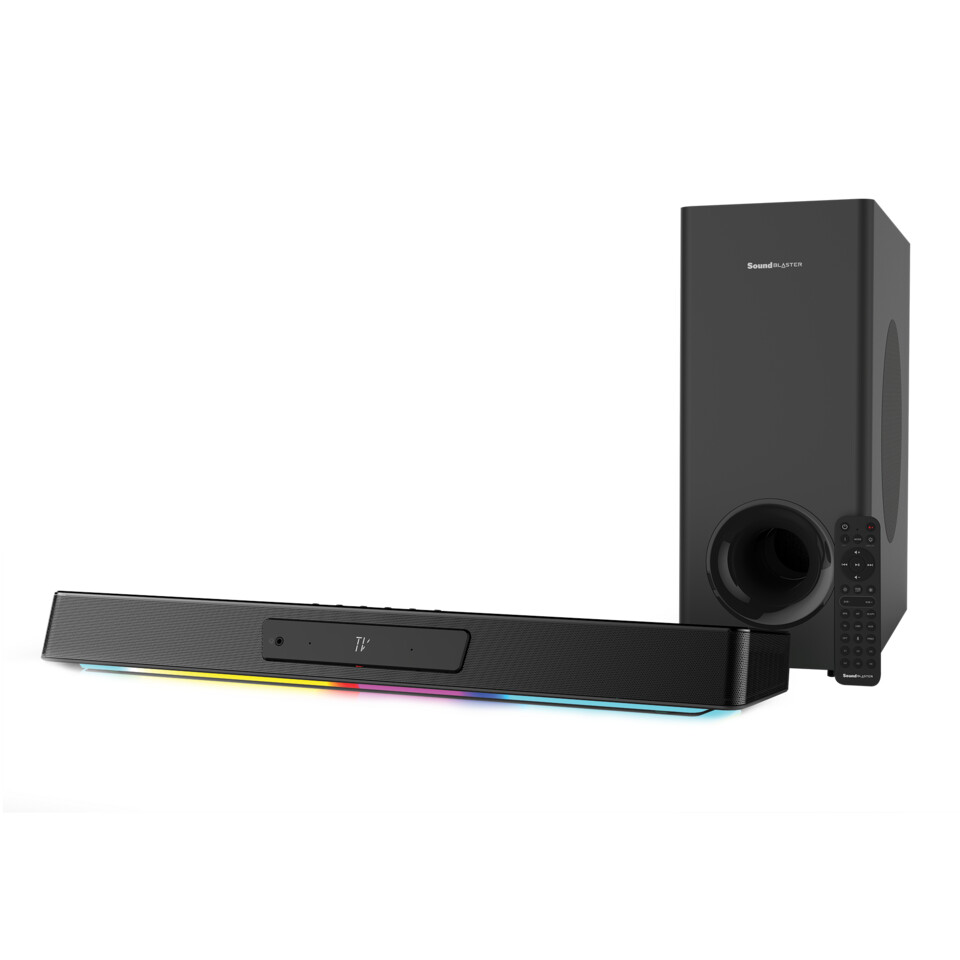
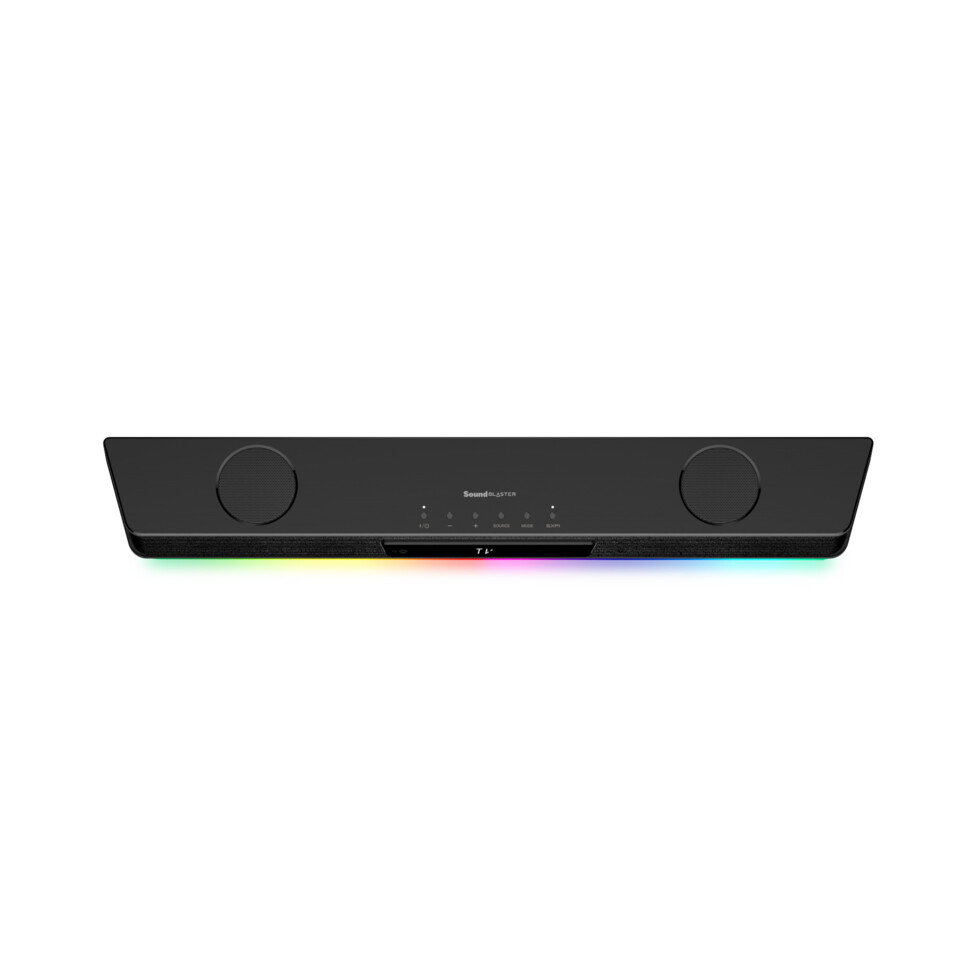
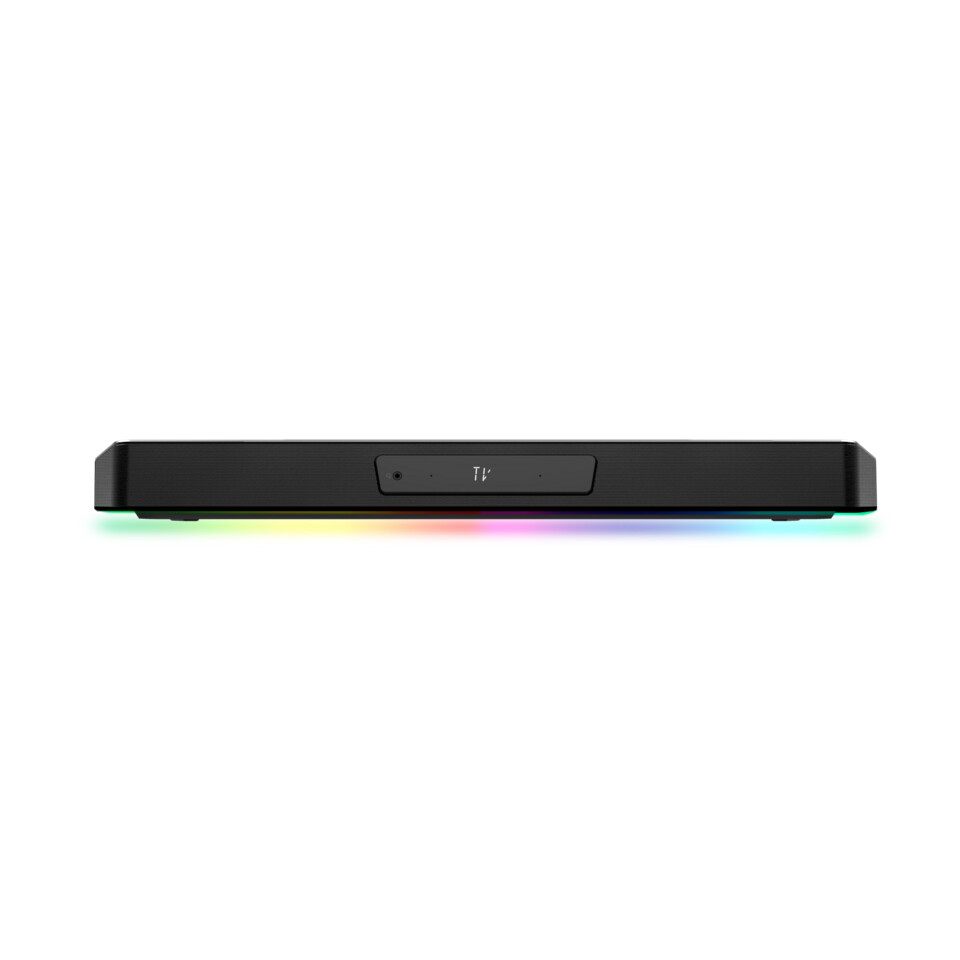
 (PR) Creative Announces Sound Blaster Katana V2 Gaming Soundbar
Creative Technology today announced the release of Sound Blaster Katana V2, the successor to the original Sound BlasterX Katana which had been regarded by many as the definitive gaming soundbar. Completely redesigned with an all-new sleek form factor, it delivers 68% more power than before, features improved audio dynamics and transforms the headphone experience with Super X-Fi Headphone Holography - this new Katana is a menacing weapon for desktop and console gamers alike.
The Sound Blaster Katana V2 personifies the culmination of Creative's best audio technologies as it brings games and movies to life through its 5.1 channel playback. Delivering the sound signature of a high-end Sound Blaster, built with more than 30 years of audio processing expertise, it retains the acclaimed tri-amplified design of its predecessor, where each of its 5 drivers is powered individually by Creative's proprietary multi-core DSP controller. The audio quality is enhanced further through improved fabric dome tweeters for cleaner and more refined highs, and a larger, more imposing subwoofer for deeper yet impactful bass performance.
More...
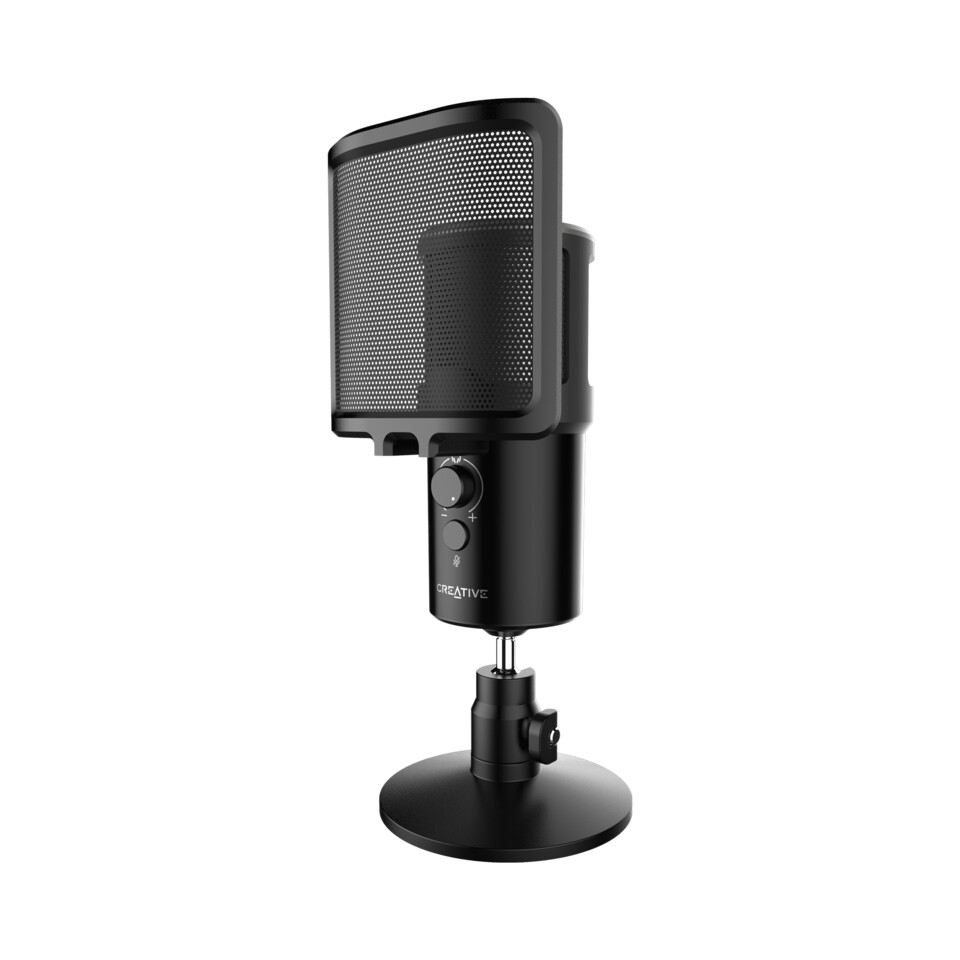
(PR) Creative Announces Live! Mic M3 USB Microphone
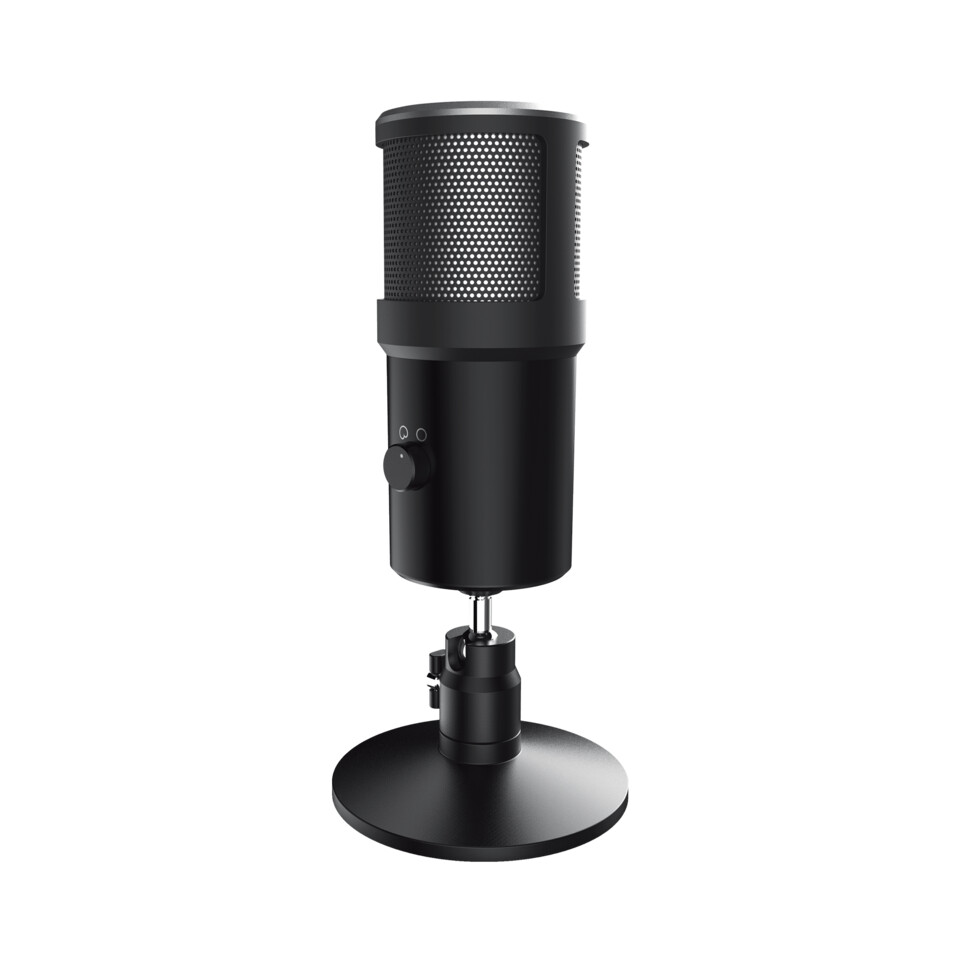
Creative Technology today announced the release of Creative Live! Mic M3, a plug-and-play USB microphone that allows users to record and sound like professionals while streaming, gaming, or even conferencing. It sports Cardioid and Omni microphone polar patterns, studio-grade recording resolution and real-time mic monitoring, making it the perfect all-round audio input solution for content creation and better communications with any PC or Mac.
Creative Live! Mic M3 offers users greater versatility across different use cases as it is designed with two 14 mm condenser capsules for dual polar pattern types, Cardioid and Omni, which can be easily switched via the control knob. With the Cardioid pattern, it is most suitable for single-person recordings, like streaming a gameplay, as it is a front-focused mode and is best used to capture sounds made directly in front of the mic. On the other hand, the Omni pattern is an all-angle mode that works better to capture sounds equally from all directions and is great for use with groups, like a podcast recording with two or three hosts.
More...
(PR) This View is Spectacular - CORSAIR Debuts the XENEON 32QHD165 Gaming Monitor
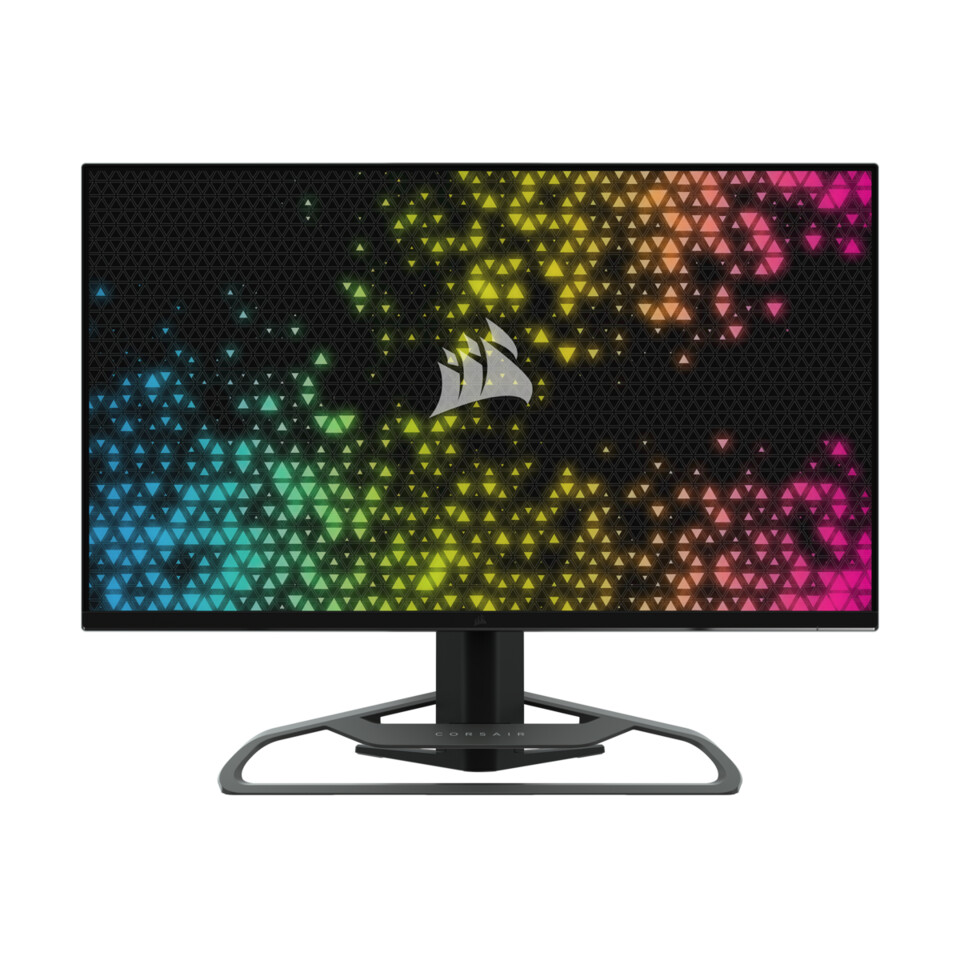
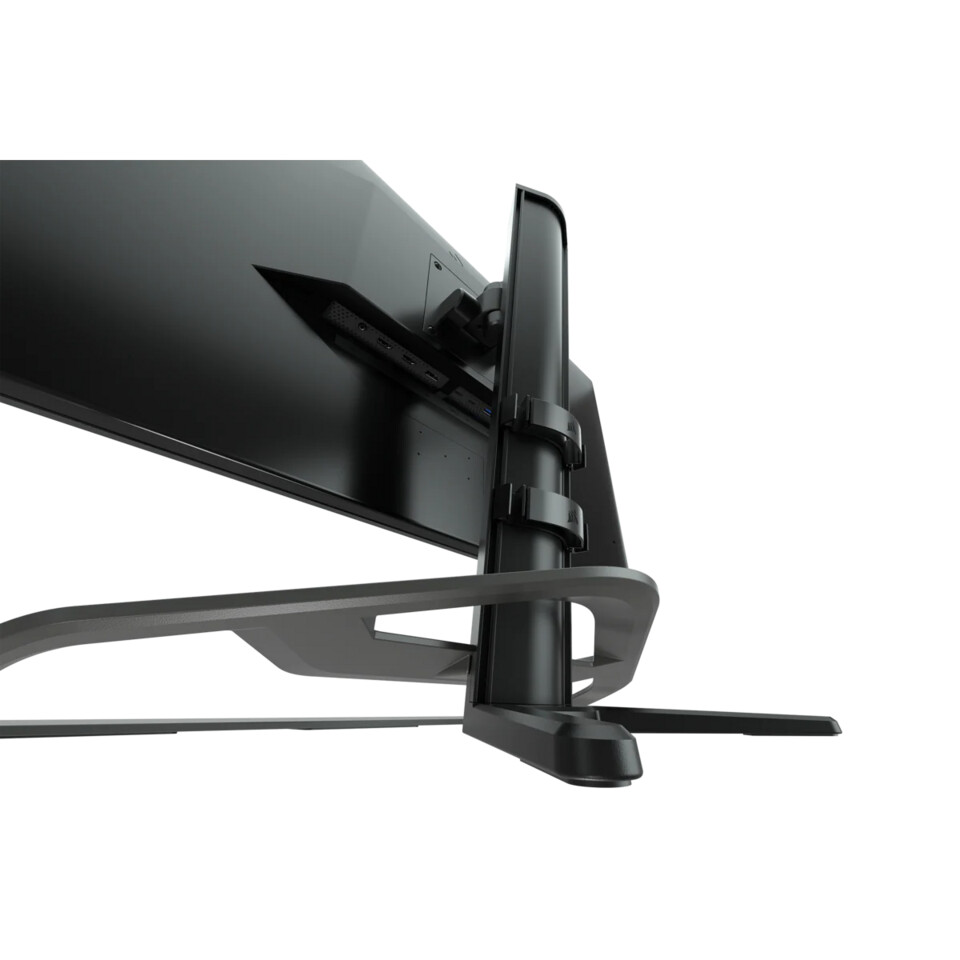
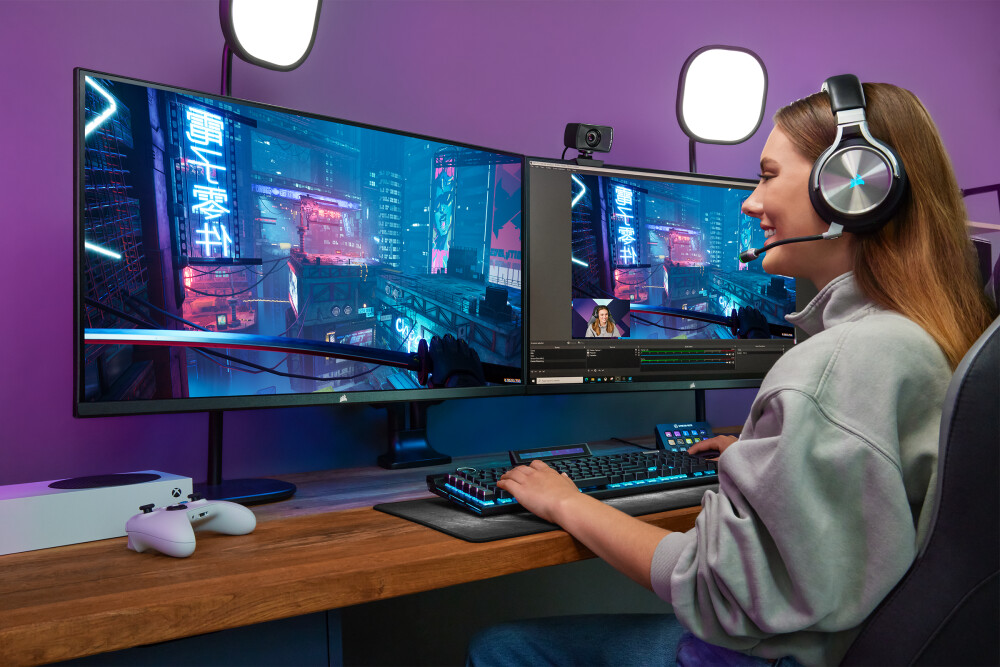
CORSAIR, a world leader in enthusiast components for gamers, creators, and PC builders, today announced the XENEON 32QHD165, a stunning new monitor built from the ground up for gamers and creators, featuring an ultra-slim 32-inch QHD screen with a cutting-edge IPS LED panel to produce a beautiful 2560x1440 image. With up to a 165 Hz refresh rate, along with AMD FreeSync Premium certification and NVIDIA G-SYNC compatibility to keep up with every frame of the latest games, the XENEON 32QHD165 offers a terrific combination of powerful specs, smart features, and thoughtful design that power users need. Integrating seamlessly into the CORSAIR iCUE and Elgato Stream Deck software ecosystems for convenient, customized control, the XENEON 32QHD165 is uniquely positioned to take center stage in a modern gaming and streaming setup.
An ultra-thin micro-bezel surrounds the XENEON 32QHD165's 32-inch screen, offering a minimal border ideal for multi-monitor setups. Its IPS LED panel utilizes Quantum Dot technology with 100% sRGB, 100% Adobe RGB color space, and DCI-P3 (98%) color gamut - ensuring the superb color accuracy critical for creators that work with applications like Adobe Photoshop, After Effects, and DaVinci Resolve. Moreover, HDR400 support provides a wide brightness range for high realism in both very dark and brightly lit scenes. With a viewing angle of up to 178° horizontally and vertically, the XENEON 32QHD165's image looks great from anywhere, even if you're standing nearly parallel to the screen.
More...
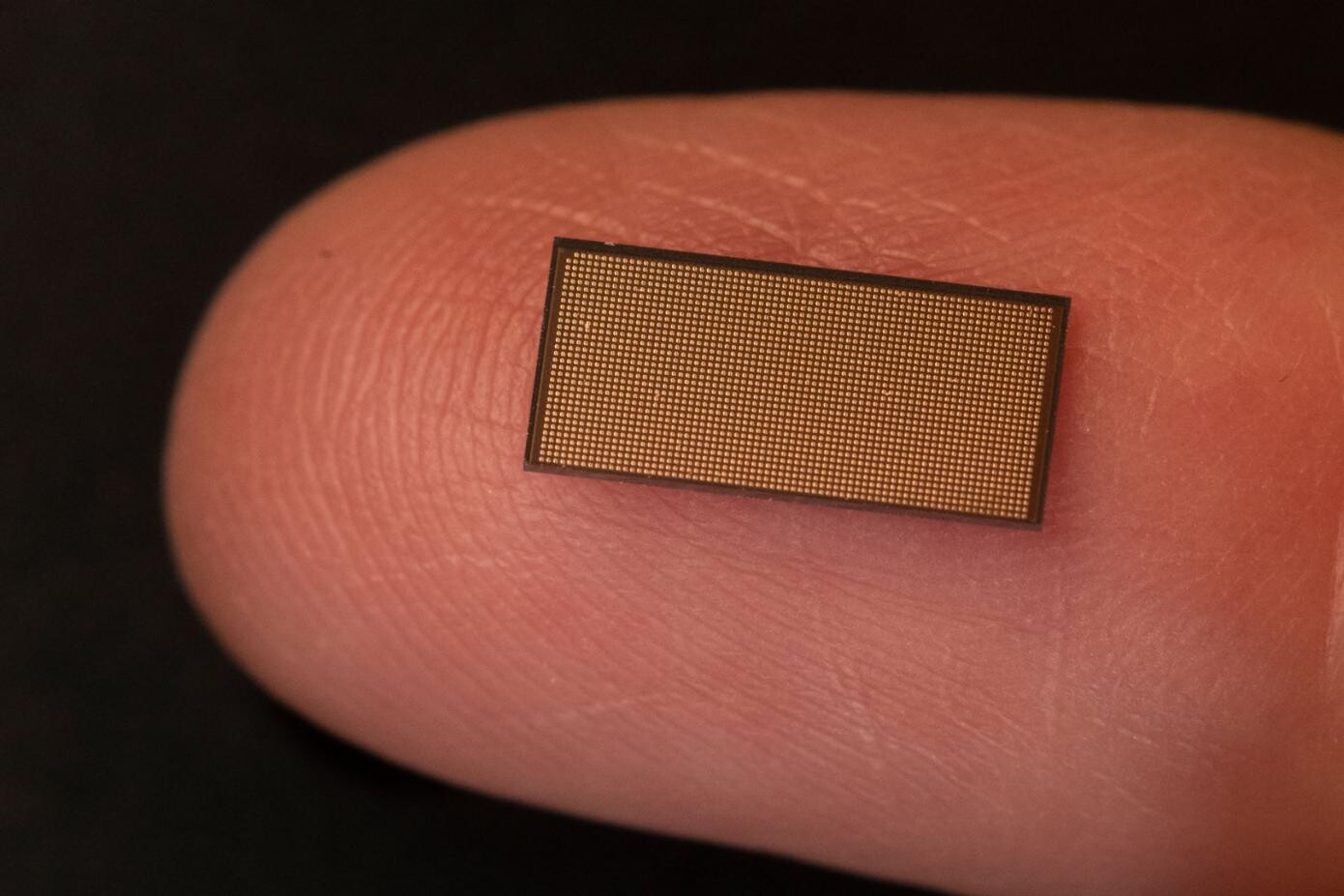
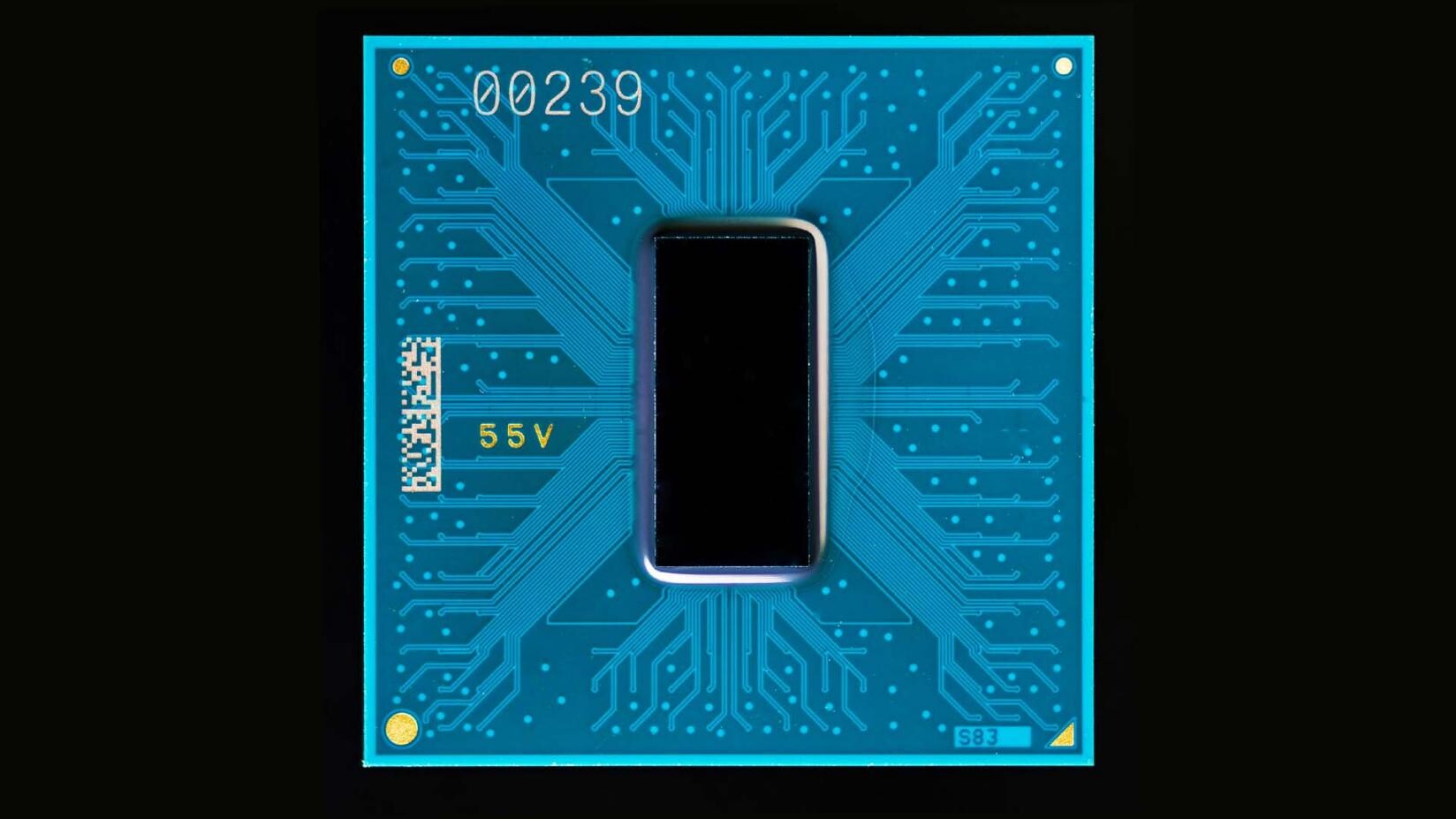
(PR) Intel Advances Neuromorphic with Loihi 2, New Lava Software Framework and New Partners
Today, Intel introduced Loihi 2, its second-generation neuromorphic research chip, and Lava, an open-source software framework for developing neuro-inspired applications. Their introduction signals Intel's ongoing progress in advancing neuromorphic technology. Neuromorphic computing, which draws insights from neuroscience to create chips that function more like the biological brain, aspires to deliver orders of magnitude improvements in energy efficiency, speed of computation and efficiency of learning across a range of edge applications: from vision, voice and gesture recognition to search retrieval, robotics, and constrained optimization problems.
"Loihi 2 and Lava harvest insights from several years of collaborative research using Loihi. Our second-generation chip greatly improves the speed, programmability, and capacity of neuromorphic processing, broadening its usages in power and latency constrained intelligent computing applications. We are open sourcing Lava to address the need for software convergence, benchmarking, and cross-platform collaboration in the field, and to accelerate our progress toward commercial viability." -- Mike Davies, director of Intel's
More...
 Posting Permissions
- You may not post new threads
- You may not post replies
- You may not post attachments
- You may not edit your posts
-
Forum Rules