-
Robot
Most Wanted

- Rep Power
- 82
 NVIDIA Releases GeForce 471.41 Game Ready Drivers: Windows 11 and DLSS
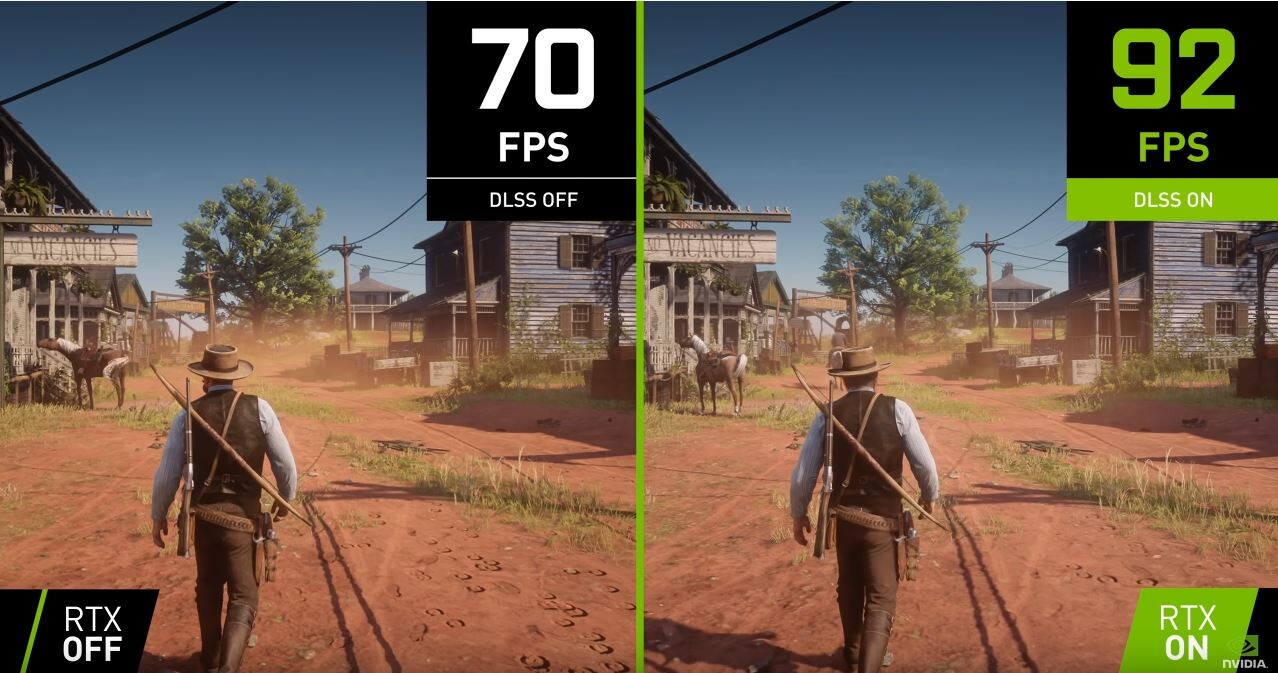
NVIDIA today released the latest version of GeForce Game Ready drivers. Version 471.41 WHQL comes with support for Windows 11, including a WDDM 3.0 compliant display driver, making it NVIDIA's first official driver for the upcoming operating system. In addition, the drivers introduce DLSS performance enhancement on Red Dead Redemption 2 and Chernobylite. The drivers also introduce CUDA 11.4 support.
Among the issues fixed are lack of hardware acceleration on Capture One; HUD loss issues on Valorant; a game freeze noticed with DOOM Eternal; League of Legends failing to launch; mouse pointer issues with certain DSC monitors in HDR mode; blurry Ansel depth-of-field in certain games; display resolution being limited to 640x480 on some monitors after updating from older drivers; distorted HDMI audio playback on 8K displays connected via HDMi 2.1, and HDMI audio drop-outs on LG C9 OLED TVs.
DOWNLOAD: NVIDIA GeForce 471.41 WHQL
More...
NVIDIA Brings RTX and DLSS to Arm Platform
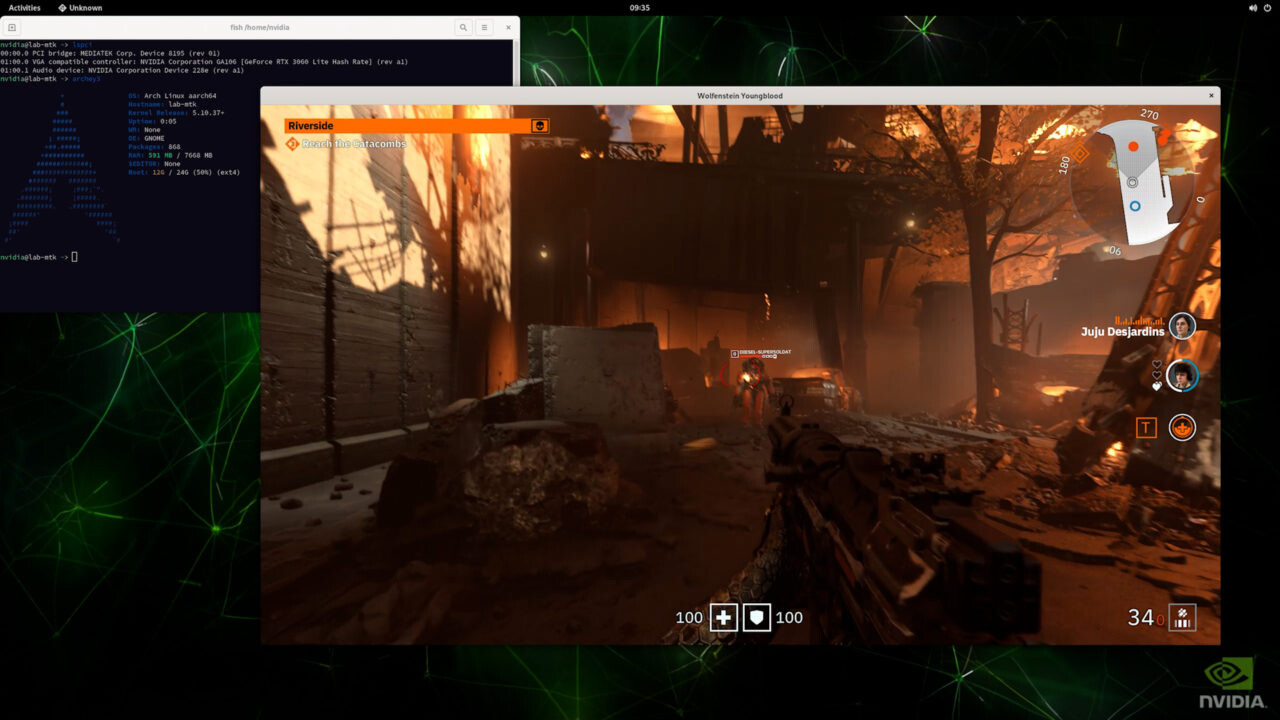
NVIDIA at GDC dropped a major hint at where it wants to take PC gaming post the Arm acquisition. The company is demonstrating its RTX real-time raytracing technology, and the DLSS performance enhancement, on an Arm processor by MediaTek. To the PC, this means NVIDIA is laying the foundations of gaming in the post-x86 world where it holds Arm IP; foundations that were dug up by Apple and its mighty M1 chip, based on Arm CPU technology.
Making this unequivocal, was MediaTek. "RTX is the most groundbreaking technology to come to PC gaming in the last two decades," said PC Tseng, general manager of MediaTek's Intelligent Multimedia Business Unit."MediaTek and NVIDIA are laying the foundation for a new category of Arm-based high-performance PCs." The Taiwan-based Arm SoC major has developed a new Arm-based PC processor called Kompanio 1200, which it hopes will power PC platforms much like the Apple M1 or the Qualcomm Compute Platforms.
More...
ASUS TUF Gaming Introduces the VG32AQL1A Monitor: 32" Fast IPS, QHD, 170 Hz, DisplayHDR 400
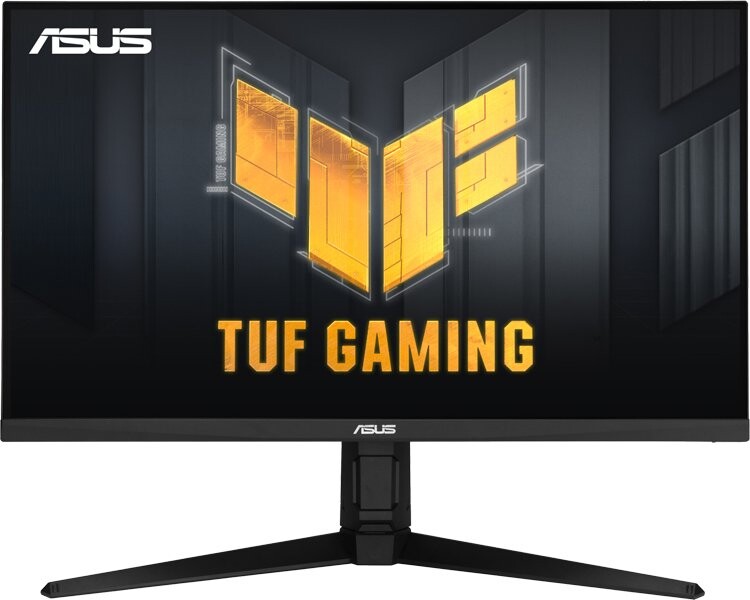
ASUS today via its TUF Gaming brand introduced the VG32AQL1A monitor, which is sure to tick a lot of boxes for many people looking for a gaming monitor. The 32" diagonal may put some off due to the typical distance users sit away from the monitor. The 2560 x 1440 Fast IPS panel features a 1 ms response time and 170 Hz refresh rate - as well as support for FreeSync Premium and NVIDIA's G-Sync Compatible program. In addition to the fast response time and refresh rates, the ASUS TUF Gaming VG32AQL1A also features ELMB sync (for black frame insertion and motion blur reduction) as well as a smart, "variable overdrive" setting that dynamically changes monitor overdrive values according to the current frame rate so as to further reduce motion blur.
Typical brightness is set at a standard 300 cd/m², with peak brightness achieving the 400 cd/m² that enables this monitor to boast of VESA's Display HDR 400 certification. Contrast ratio is 1,000:1, and color coverage stands at 99% of the DCI-P3 standard. I/O is ensured by 1x DisplayPort 1.2, 2x HDMI 2.0, 2x USB 3.0, 1x earphone jack, and 2x 2 W stereo speakers. Usability is improved by the stand's support for -5 to 20 ° tilt, -10 to 10 ° swivel, and 0 to 90 mm height adjustments. No pricing information was available at time of writing.
More...
Scalpers Already "Offering" the Steam Deck for $5,000 on eBay
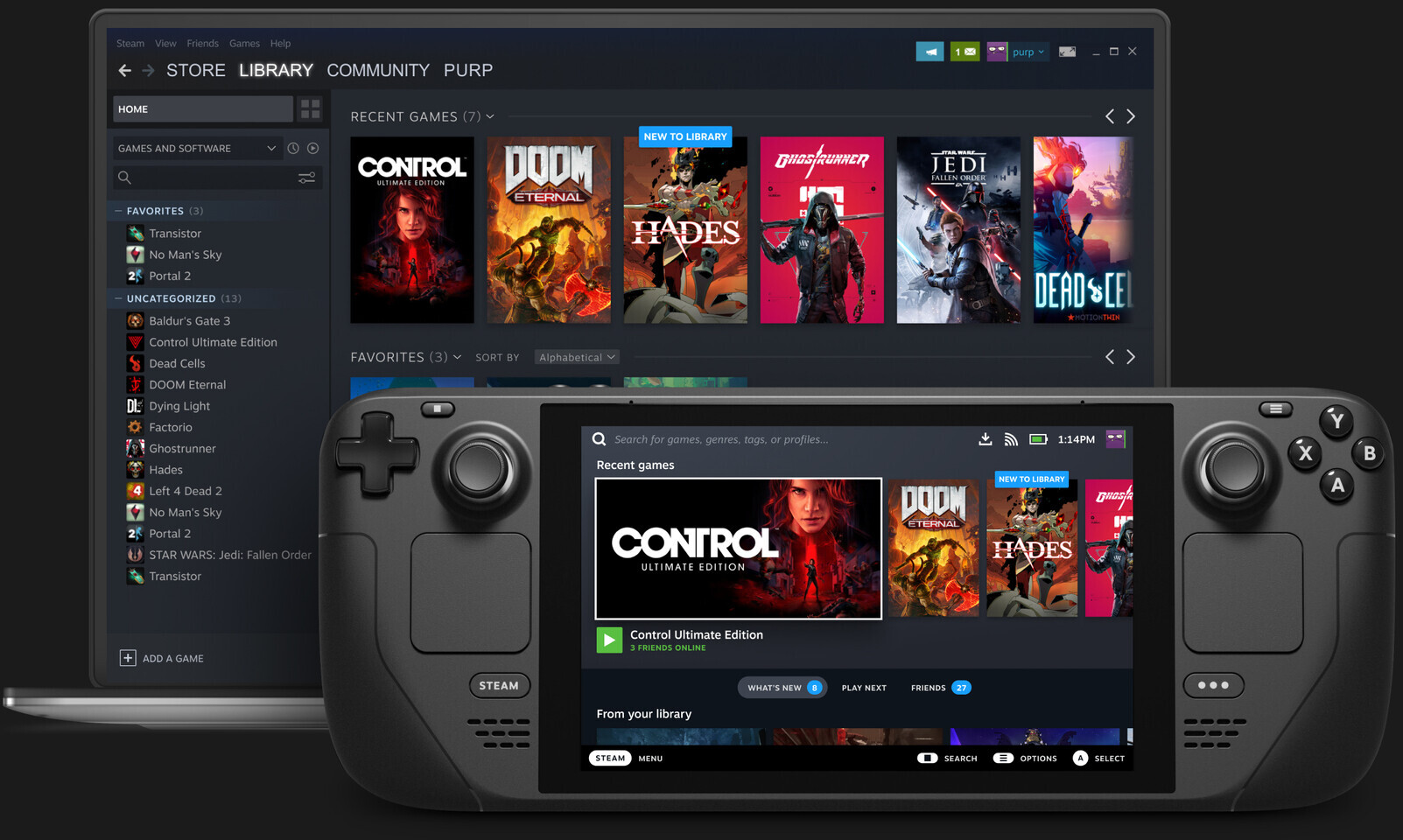
Valve's Steam Deck announcement took the gaming world by storm last week, as the announcement of a Valve-designed portable gaming console packing an AMD Zen 2 CPU with RDNA2 cores set collective imaginations on fire. However, as is the case for any recent gaming hardware launches, expect the Steam Deck to be hard to come by - demand for a mainstream portable, Switch-like console that promises to enable AAA-gaming on the go is apparently sky-high, despite the fact that some portable devices exploring the same concept have been available for a while now, such as the AYA Neo (which even packs two extra Zen 2 cores) and the Intel-based One XPlayer.
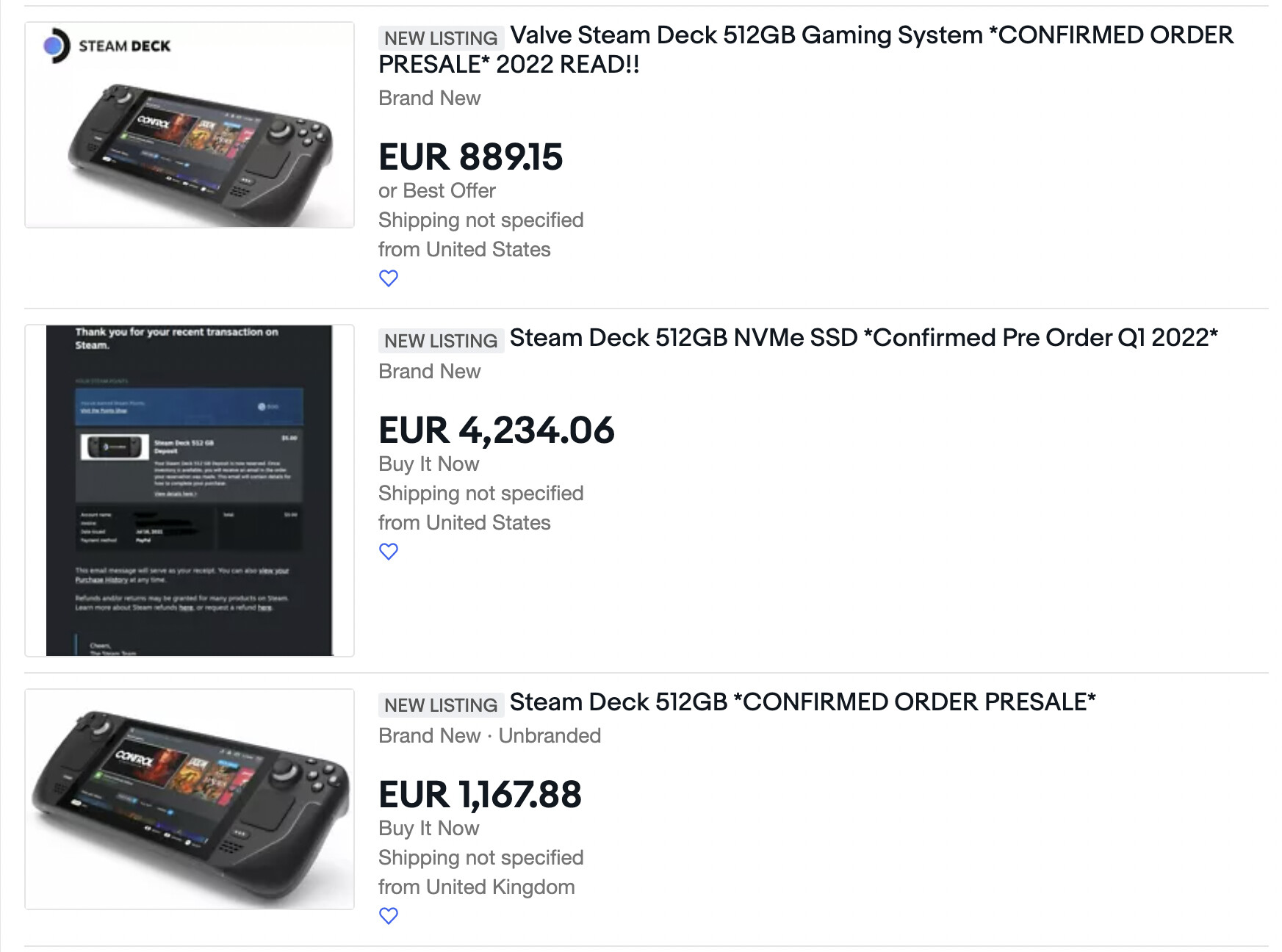
As is the case for any recent hardware launch that garners enough mainstream attention (looking at you, current-gen GPUs and consoles), a lopsided demand-supply ratio is a playground for unscrupulous types looking to make a profit at the expense of other people's impatience. And it sure is happening already - eBay listings for "pre-order confirmed" Steam Deck variants are already being set at €4,324 (roughly $4,989) - though we'd say they're tentatively set at that ludicrous pricing. It seems that the current median asking price sits around the $900 mark for the 512 GB SSD-equipped variant. Tentative or not, this just goes to show that the new normal is for launched products to be actively gauged for scalping practices - more now than ever before.
More...
 Posting Permissions
- You may not post new threads
- You may not post replies
- You may not post attachments
- You may not edit your posts
-
Forum Rules