-
Robot
Most Wanted

- Rep Power
- 82
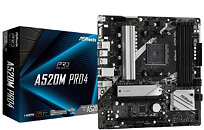
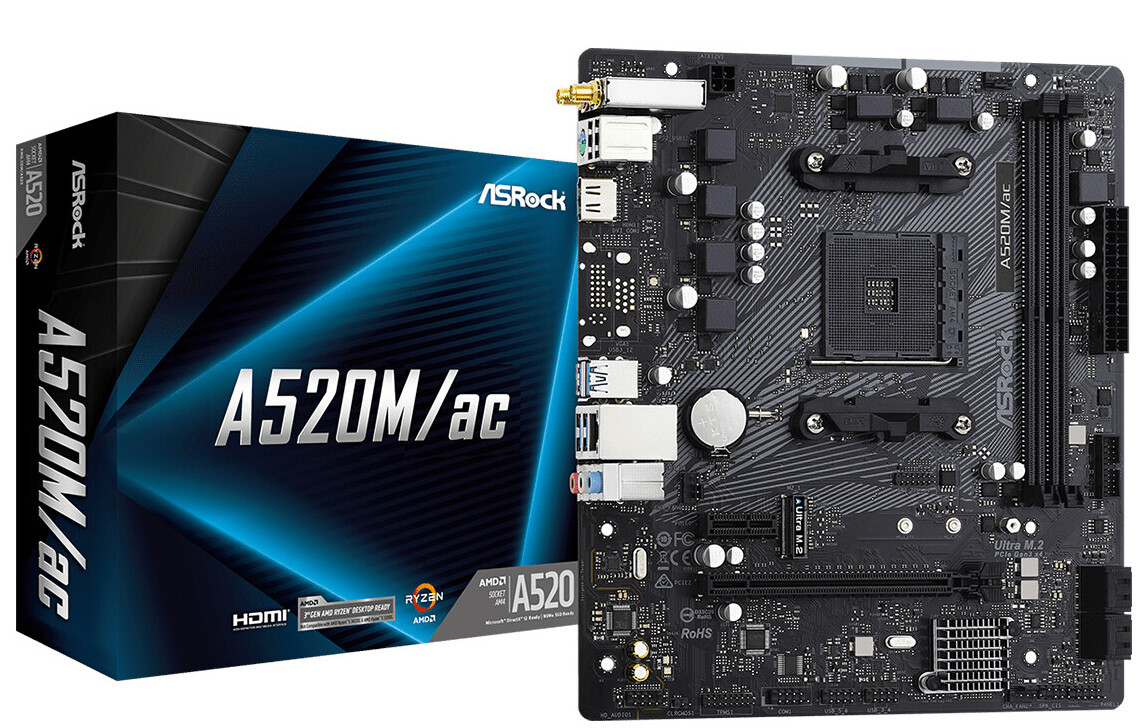
 (PR) ASRock Launches AMD A520 Motherboards with Best In-class Features
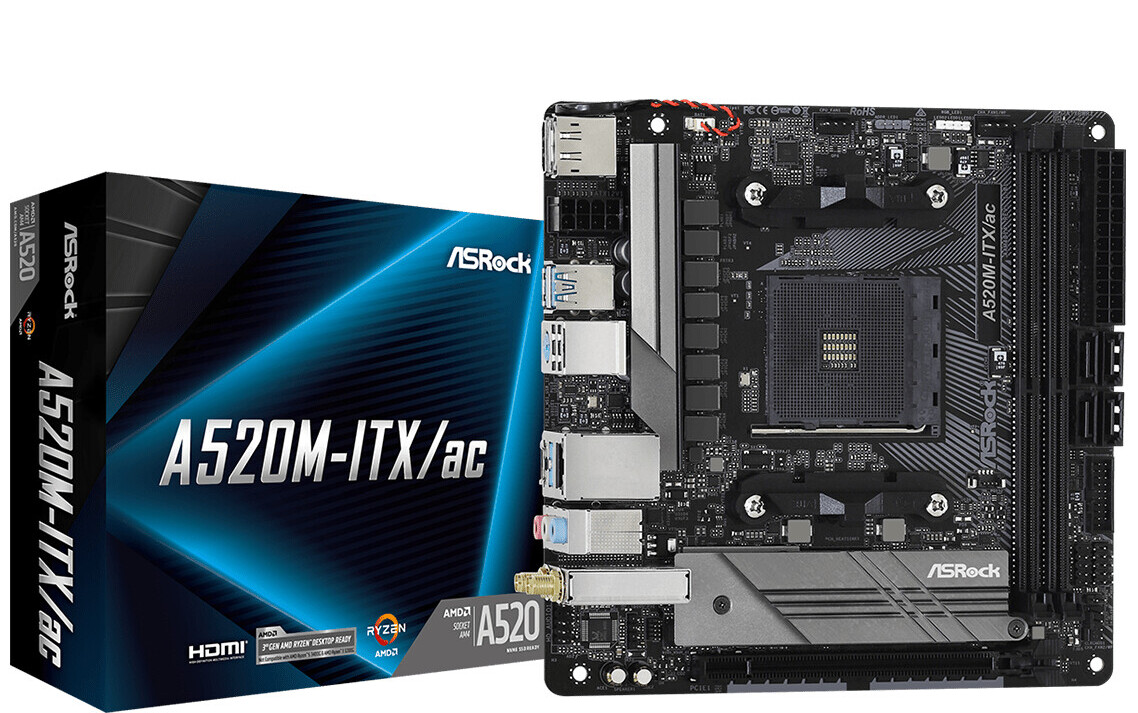
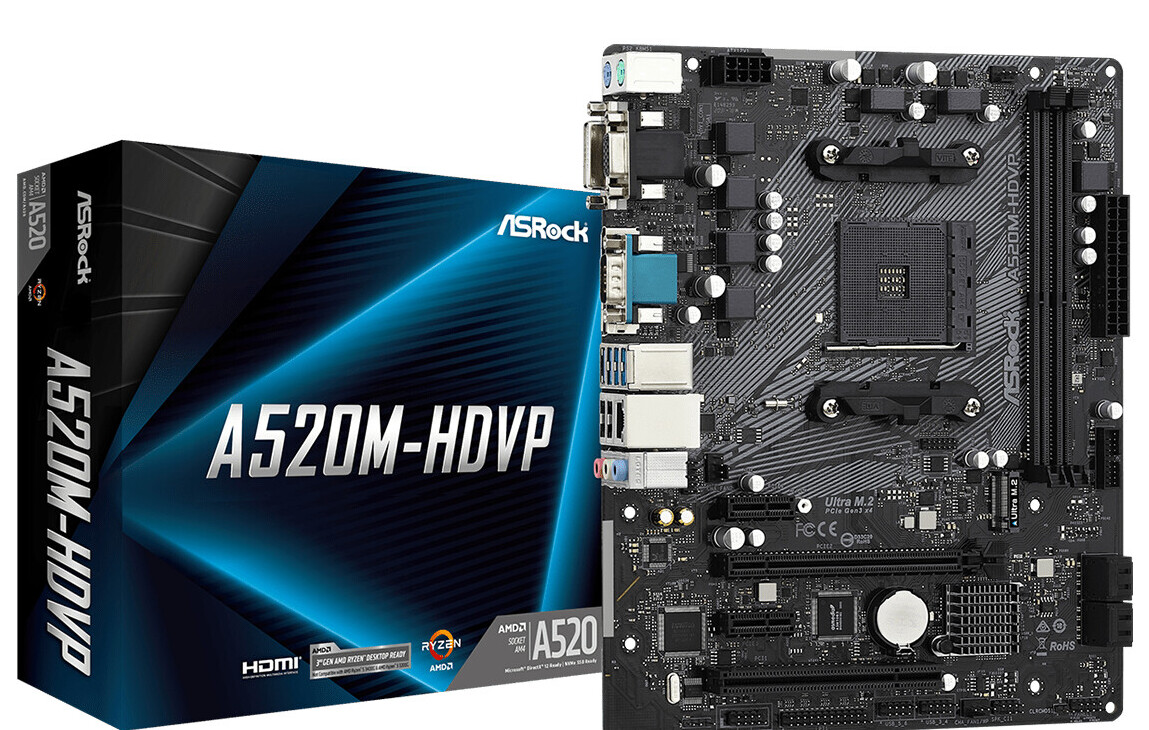
The leading global motherboard manufacturer, ASRock, proudly introduce the new motherboard lineup for AMD A520 chipset, a new value solution to join the AMD 500 series family. The newly launched ASRock AMD A520 motherboards brought the support of latest AMD 3rd Gen Ryzen Desktop Processors along with stunning performance to the masses.
"At AMD, our goal is to provide every PC user with the most powerful, flexible and reliable user experience across all verticals," said Chris Kilburn, corporate vice president and general manager, client component business unit, AMD. "We are pleased to introduce the AMD A520 chipset, offering a robust platform for the award-winning 3rd Gen Ryzen Desktop Processors alongside a promise for future support of the upcoming "Zen 3" architecture. With creative designs in a range of form factors from Mini-ITX to full size Micro-ATX coupled with an abundance of connectivity options from our partners at ASRock, the A520 chipset will offer a streamlined and trusted platform to satisfy even the most demanding home and office PC users."
More...
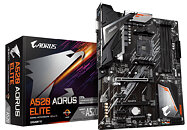
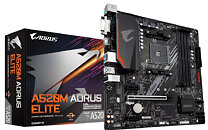
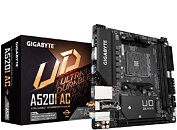
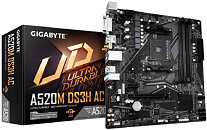
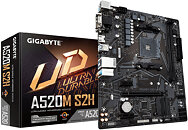
(PR) GIGABYTE Launches AMD A520 Chipset Motherboards
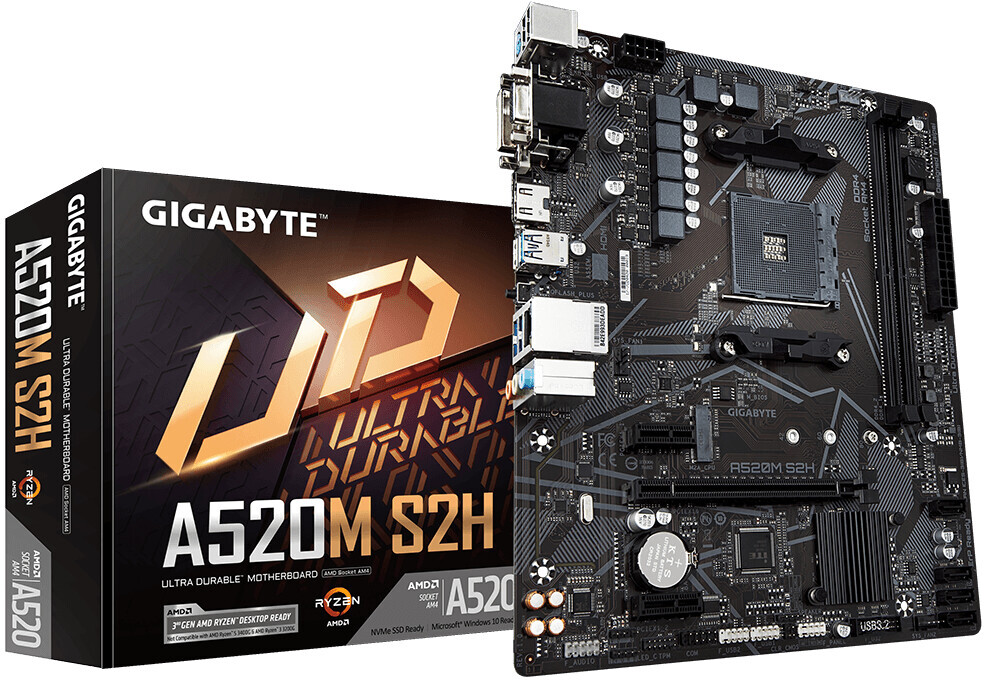
GIGABYTE TECHNOLOGY Co. Ltd, a leading manufacturer of motherboards, graphics cards, and hardware solutions, today announced the launch of AMD A520 chipset motherboards primed to unleash the potential of 3rd Gen AMD Ryzen Desktop Processors and planned support for the next-gen Ryzen Desktop Processors. The GIGABYTE A520 motherboards are designed to deliver abundant functions to fulfill all kinds of needs for families and offices. From digital power design which provides the processors and chipset a stable power supplement, to GIGABYTE Ultra Durable technology, GIGABYTE A520 series motherboards deliver users the most delightful PC experience.
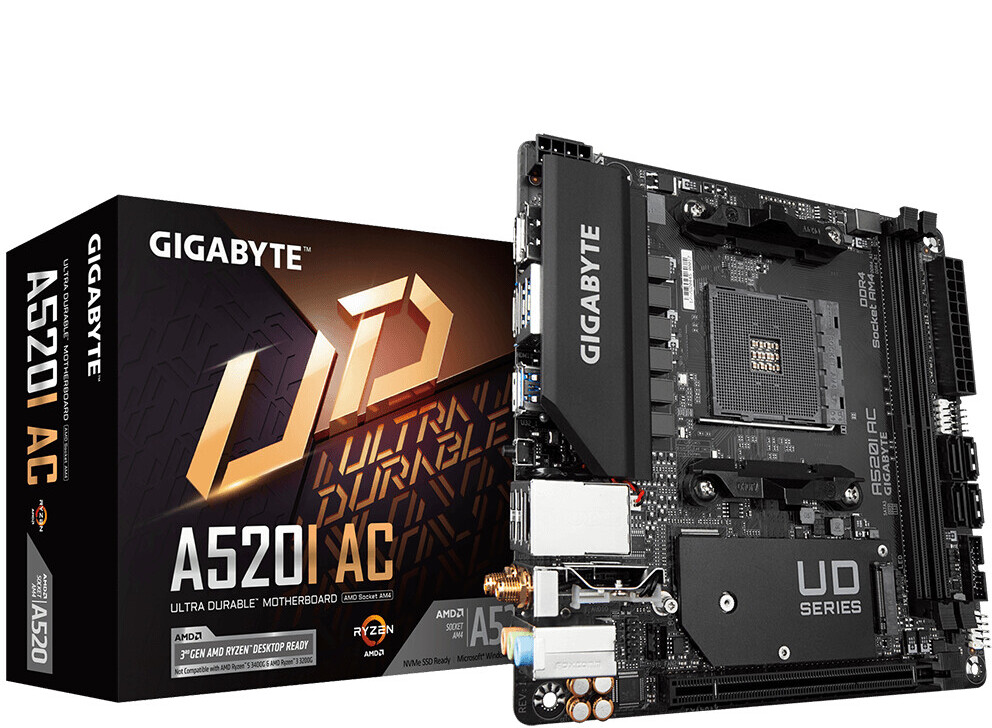
GIGABYTE A520 motherboards comprise AORUS and UD series, which provides various size options of ATX, Micro ATX, and the user-favorite mini ITX size in recent years. Enhanced by pure digital PWM components, GIGABYTE A520 motherboards deliver the promise of a stable power supply. The mini motherboard A520I AC which is specially designed for small systems equips Direct 6 Phases Digital VRM Solution with 55A DrMOS, allowing for ultimate performance with a stable and sufficient power supply when overclocking on 3rd Gen AMD Ryzen Desktop Processors.
More...
Selection of Five AMD A520 Motherboards Pictured
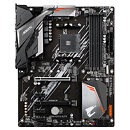
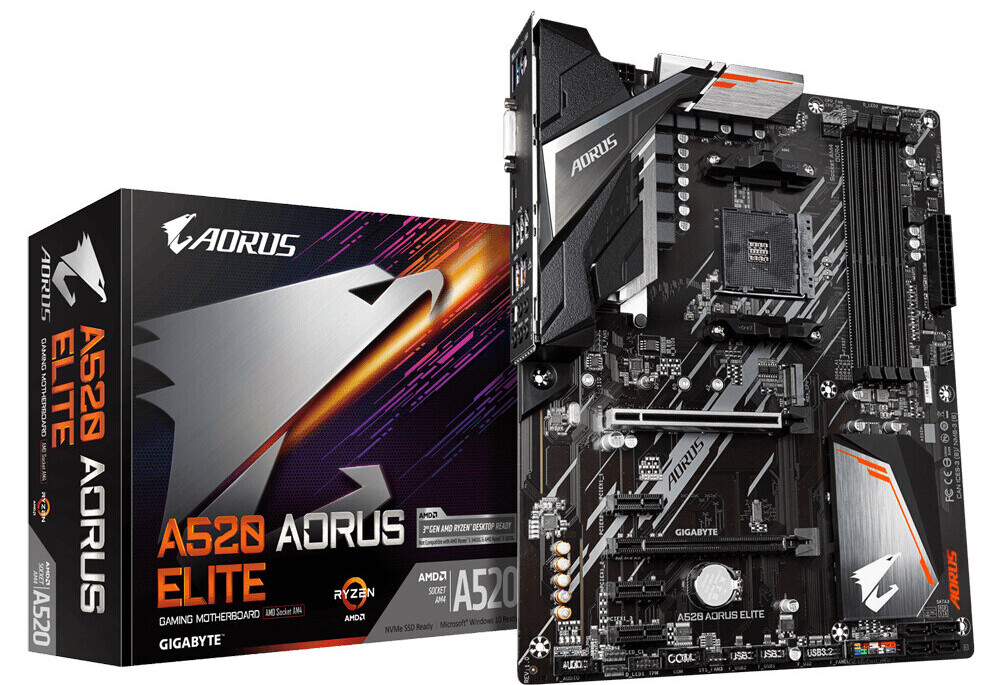
AMD earlier today formally launched its A520 entry-level desktop chipset, and while we await product launches from motherboard vendors, AMD put out pictures of at least five top implementations by them. We begin with the GIGABYTE A520 AORUS Elite, the company's top product based on the chipset. Once again, GIGABYTE appears to have a feature-rich ATX board based on an AMD chipset, following its $300 implementation of the B550 as an AORUS Master product.
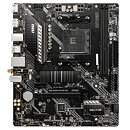
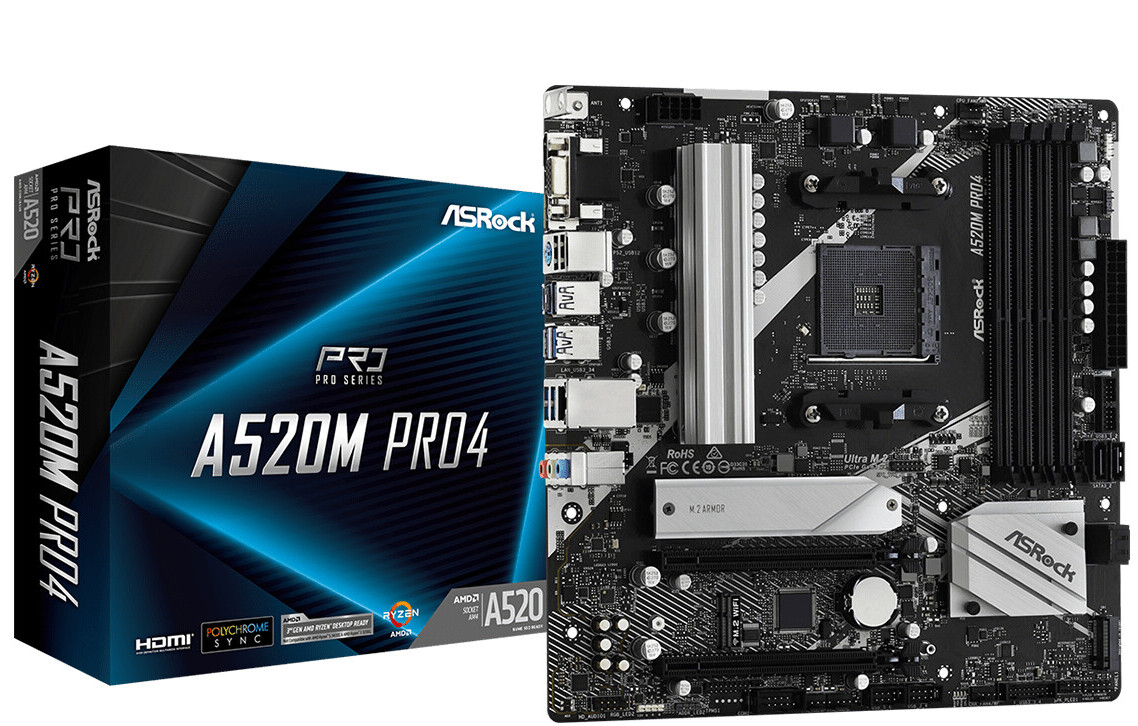
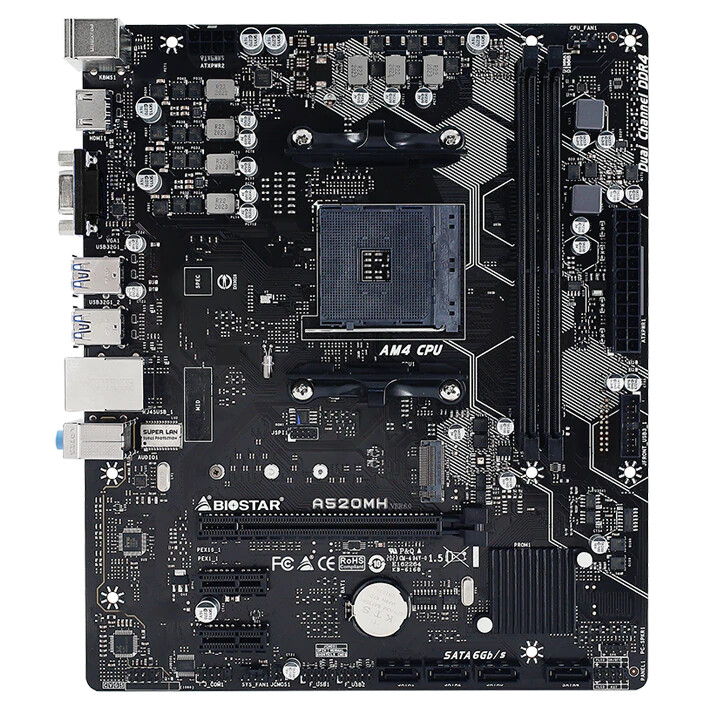
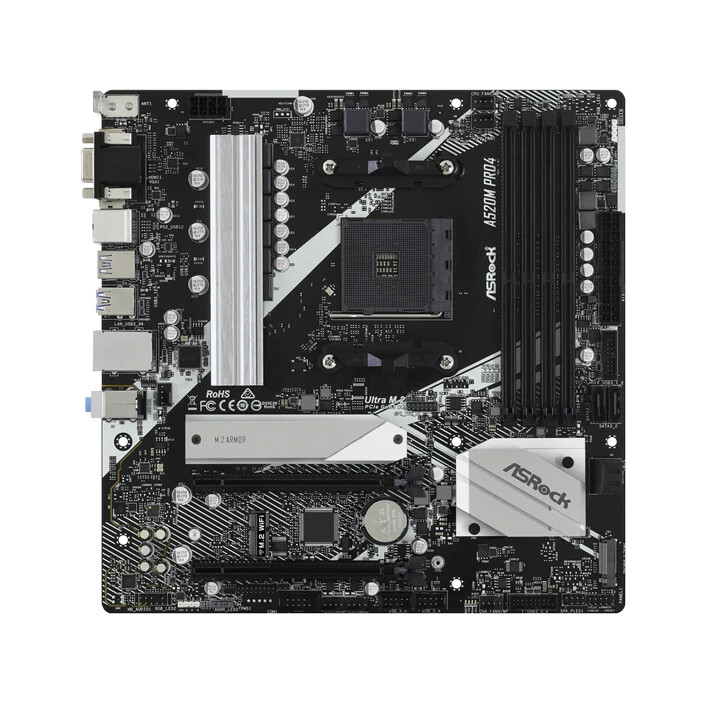
This board appears to have all the basics for a cost-effective gaming PC build, including reinforced PCIe x16, an 8-phase CPU VRM with heatsinks over even the vSoC phases, a premium onboard audio solution that could be ALC1200-based, and provision for ARGB embellishments. MSI is bringing an Arsenal Gaming product to the party, with the MAG A520M Vector Wi-Fi, which is built in the narrow Micro-ATX form-factor, with a chunky VRM heatsink, 802.11ac WLAN, and two memory slots. ASUS rolled out the TUF Gaming A520M-PLUS, which too builds on the strengths of its TUF Gaming brand, with enlarged heatsinks, reinforced PCIe slot, four memory slots, and preparation for ARGB. ASRock unveiled the A520M Pro4, an entry-level board that covers all the bases, including preparation for WLAN, four memory slots, M.2 heatsink like the MSI board, and a second M.2 slot. Lastly, there's the BIOSTAR A520MH, which we detailed in its press-release here.
More...
AMD Launches A520 Entry-level Desktop Chipset - No PCIe 4.0
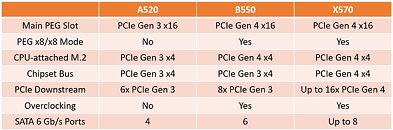
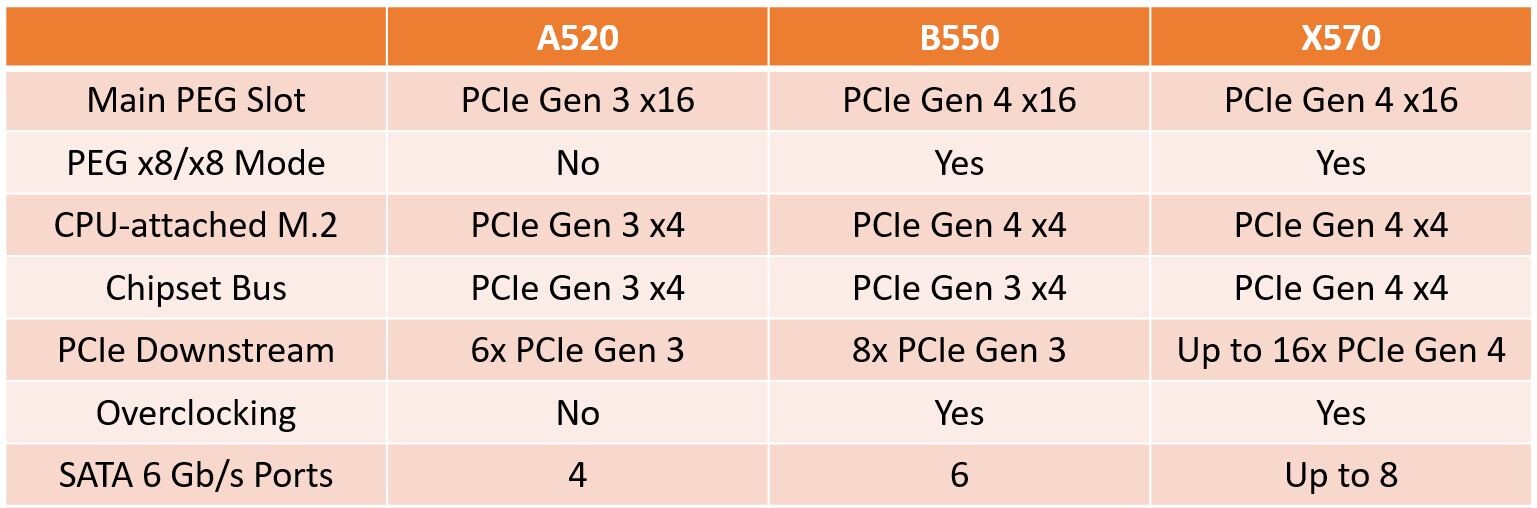
AMD today announced its entry-level A520 desktop chipset for 3rd Gen Ryzen "Matisse" processors, and possible readiness for Athlon and Ryzen 4000G processors based on the "Renoir" silicon. Much like the B550, it lacks support for Ryzen 3 3200G and Ryzen 5 3400G processors based on the "Picasso" silicon, as well as older 2nd- and 1st Gen Ryzen processors. The A520 succeeds the A320 chipset, and enables motherboards priced deep under the $100-mark, close to the $50 magic figure. The ASMedia-sourced chipset has quite a few similarities with the B550, but one big segmentation - complete lack of PCIe Gen 4.
Motherboards based on the AMD A520 completely lack PCIe Gen 4 support, even with a Ryzen 3000 "Matisse" processor. Even the PCI-Express x16 and M.2 NVMe slots wired to the AM4 SoC are limited to PCIe Gen 3. On the B550, these two slots run at Gen 4 speeds when paired with a capable processor. Much like the B550, the downstream (general purpose) PCIe lanes from the chipset run at PCIe Gen 3 speeds, although unlike the B550, the chipset only puts out 6 lanes. Other platform I/O includes up to five 10 Gbps USB 3.2 ports (includes two from the AM4 SoC), two 5 Gbps USB 3.1 ports, four SATA 6 Gb/s (AHCI-only) ports, and six USB 2.0 ports. At launch, A520 motherboards only support Ryzen 3000 "Matisse" processors, with support planned for 4000G "Renoir" processors when they launch in the retail channel, and future "Zen 3" processors, through firmware updates.
More...
Microsoft Details Xbox Series X SoC, Drops More Details on RDNA2 Architecture and Zen 2 CPU Enhancements
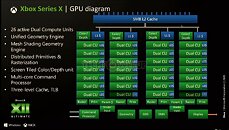
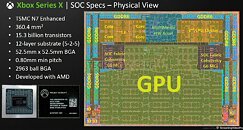
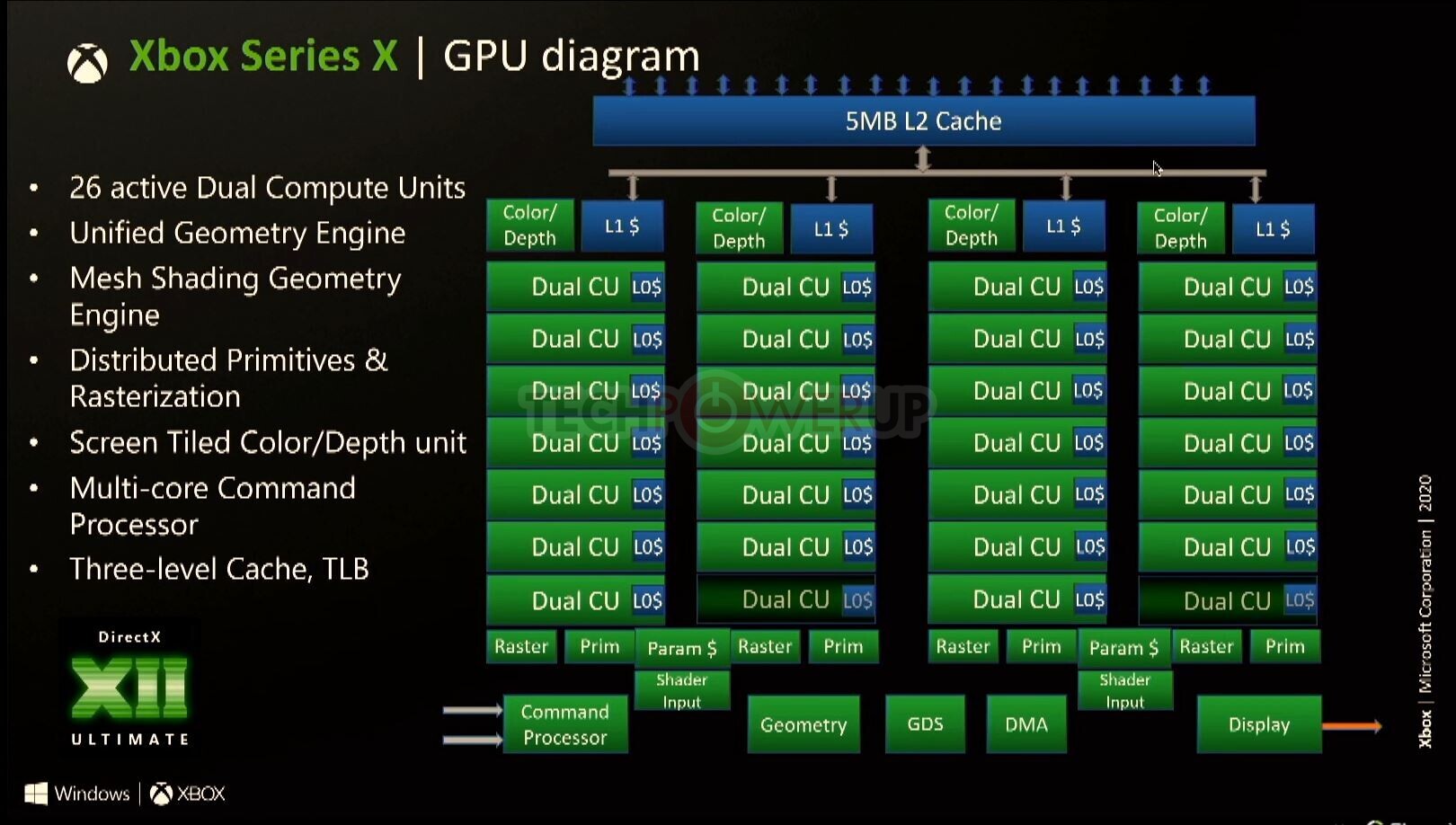
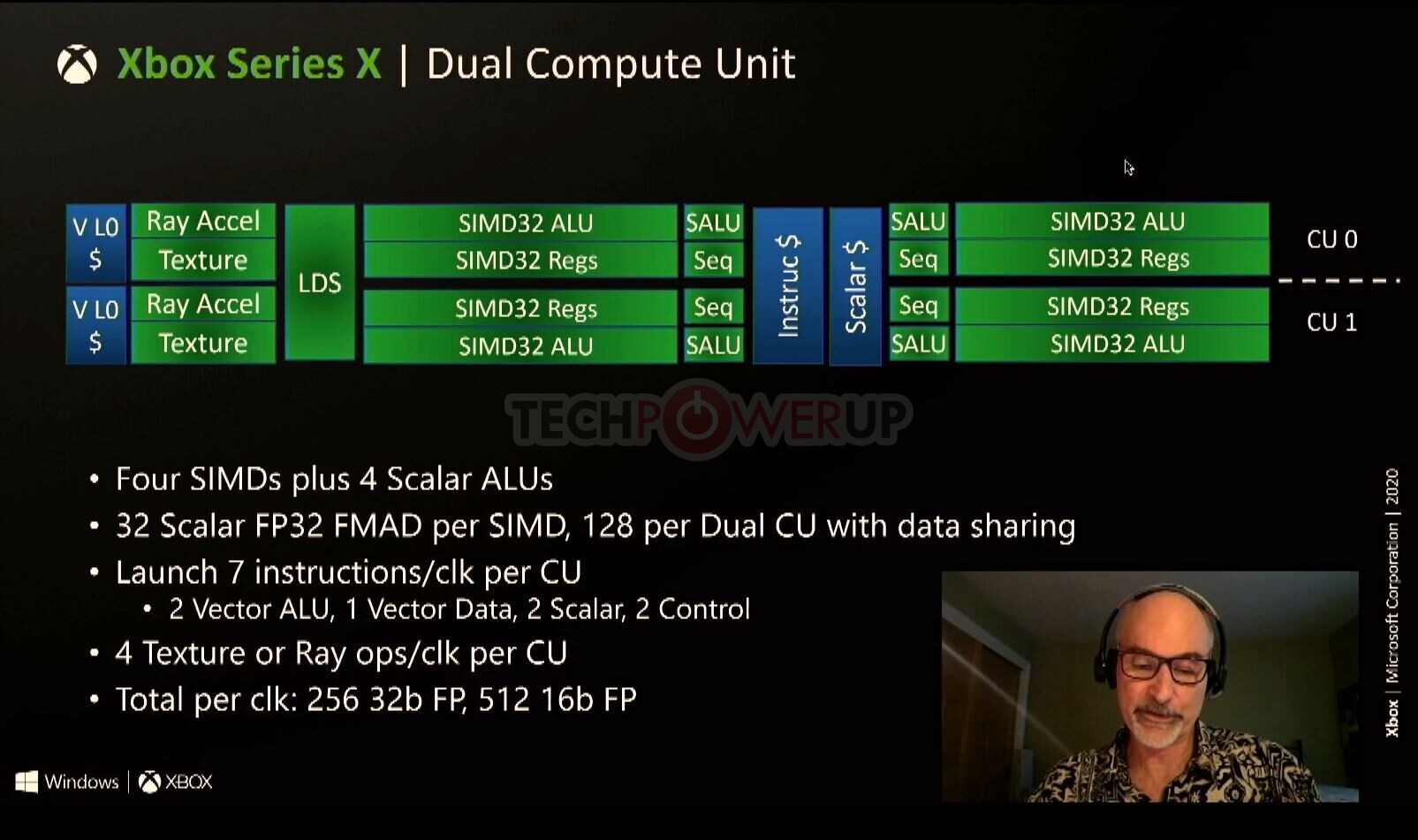
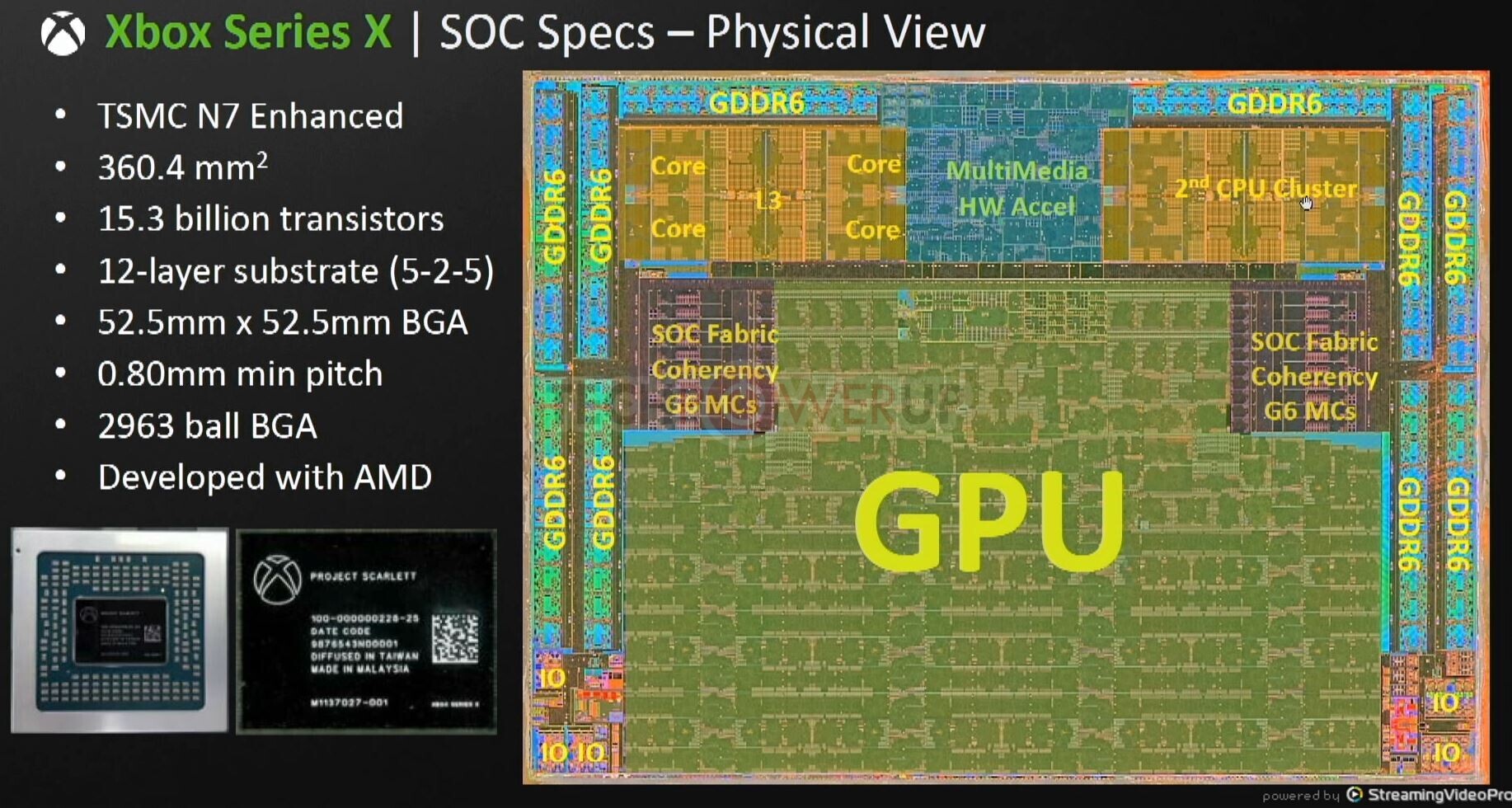
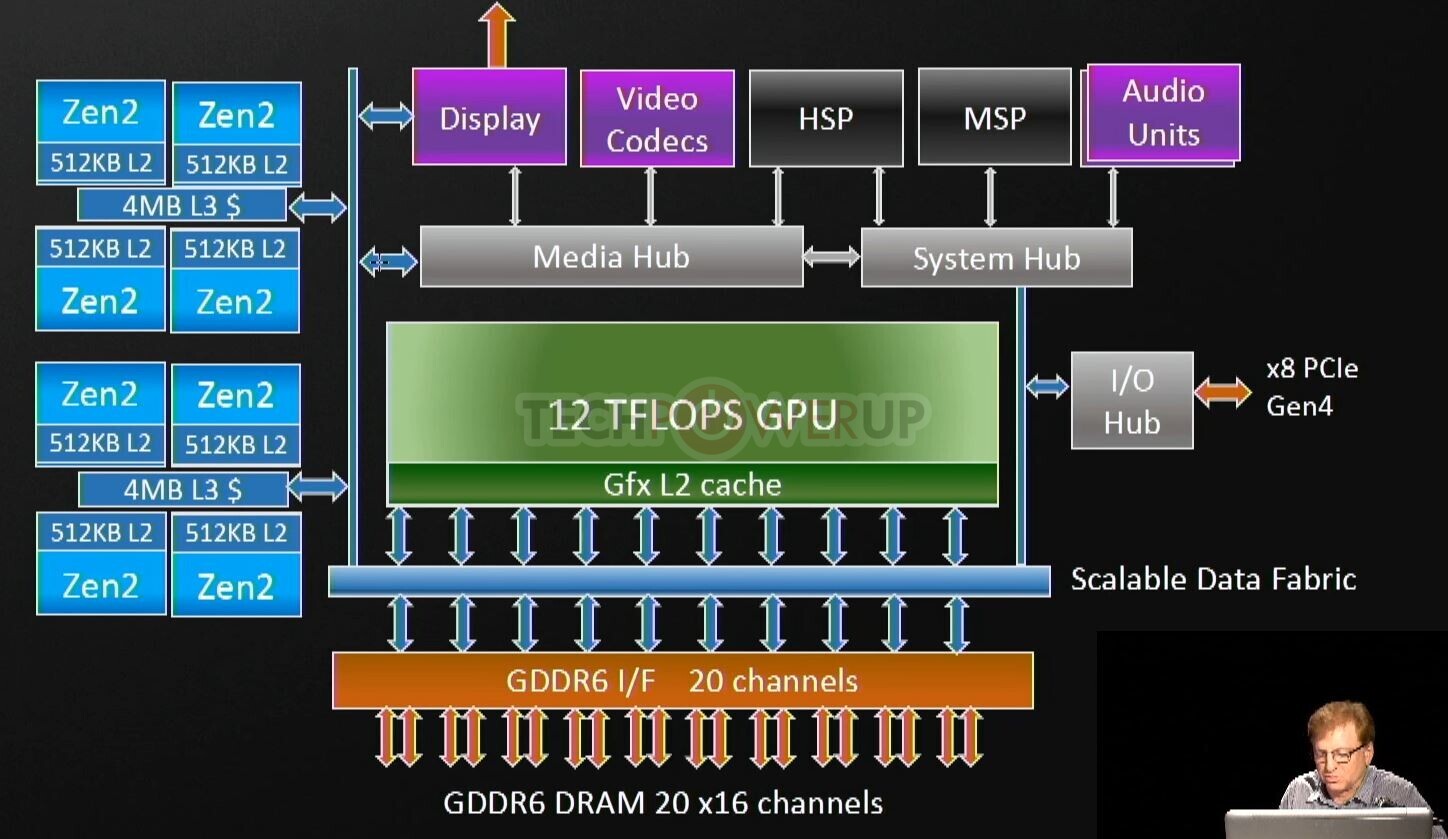
Microsoft in its Hot Chips 32 presentation detailed the SoC at the heart of the upcoming Xbox Series X entertainment system. The chip mostly uses AMD IP blocks, and is built on TSMC N7e (enhanced 7 nm) process. It is a 360.4 mm² die with a transistor count of 15.3 billion. Microsoft spoke about the nuts and bolts of the SoC, including its largest component - the GPU based on AMD's new RDNA2 graphics architecture. The GPU takes up much of the chip's die area, and has a raw SIMD throughput of 12 TFLOP/s. It meets DirectX 12 Ultimate logo requirements, supporting hardware-accelerated ray-tracing.
The RDNA2 GPU powering the Xbox Series X SoC features 52 compute units spread across 26 RDNA2 dual compute units. The silicon itself physically features two additional dual CUs (taking the total physical CU count to 56), but are disabled (possibly harvesting headroom). We've detailed first-generation RDNA architecture in the "architecture" pages of our first AMD Radeon RX 5000-series "Navi" graphics card reviews, which explains much of the SIMD-level innovations from AMD that help it drive a massive SIMD IPC gain over the previous-generation GCN architecture. This hierarchy is largely carried over to RDNA2, but with the addition of a few SIMD-level components.
More...
 Posting Permissions
- You may not post new threads
- You may not post replies
- You may not post attachments
- You may not edit your posts
-
Forum Rules