-
Robot
Most Wanted

- Rep Power
- 82
 Chia - The Cryptocurrency Gunning for Your SSD and HDD Space That Coul
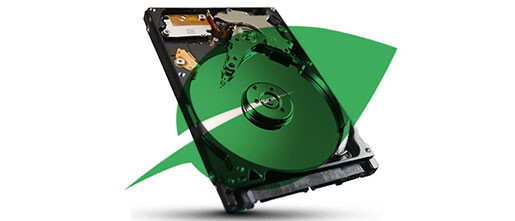
A new cryptocurrency going by the name of Chia could bring about a boom in demand for HDD and SSD, which have been kept relatively untouched by the latest mining and supply constraints. However, optimistic predictions of falling prices for NAND (optimistic for consumers, that is) could prove to be erroneous. Apparently, the new cryptocurrency, which saw its whitepaper being published in February 9th and has already led to shortages of high-performance SSDs from China's Jiahe Jinwei.
The cryptocurrency was designed to be mined in SSDs and HDDs, looking to cut on electricity cost from proof of Work (PoW) cryptocurrencies such as Bitcoin and (still) Ethereum. The intention is for the cryptocurrency to have as broad an appeal as possible, by excluding the need for prohibitive investments in either ASICs (for Bitcoin) or GPUs (for Ethereum and other Dagger/Hashimoto-based calculations). It also leverages that which is most widely available and oftentimes left empty of any workload - storage space. Due to this, it's been reported that Chinese miners are already buying HDDs (4 TB through to 18 TB) and SSDs (mainly NVMe solutions) in bulk. This could prevent technologists from ushering in the current trend of falling storage pricing - if demand becomes as crazy as it has become in the GPU space.
More...
AMD Breaks Through Cinebench R23 World Record With Dual Epyc Build
AMD via its official YouTube channel shared a video of two of its Epyc chips destroying Cinebench's R23 benchmark, setting a new world record in the process. The record-setting feat was achieved with two off-the shelf Epyc 7763 CPUs - the ones with 64 physical CPUs and 128 threads of Zen 3 IPC. The system, which was built on top of a reference server motherboard and paired with server-grade aircooling, reached a grand total of 113,631 points - completing the benchmark run is around ten (10) measly seconds and soaring through the previous record-holder, a heavily overclocked Ryzen Threadripper 3990X (105,170 points).
The AMD system crushes the closest-priced Intel Xeon CPUs in performance - a dual Intel Xeon Platinum 8380 (Ice Lake-SP generation) configuration reached a comparably paltry 74,630 points - and AMD wins in the price-performance ratio again, with each of its Epyc 7763 CPUs costing $7,890 compared to $8,100 for each of the Intel Xeon platinum 8380. AMD's name of choice for their server-grade CPUs offering up a justification for its admittedly 15-year-old naming scheme. Catch the AMD video after the break.
More...
Grab the Stunning "Attic" NVIDIA RTX + DLSS Unreal Engine Interactive Demo, Works on even AMD
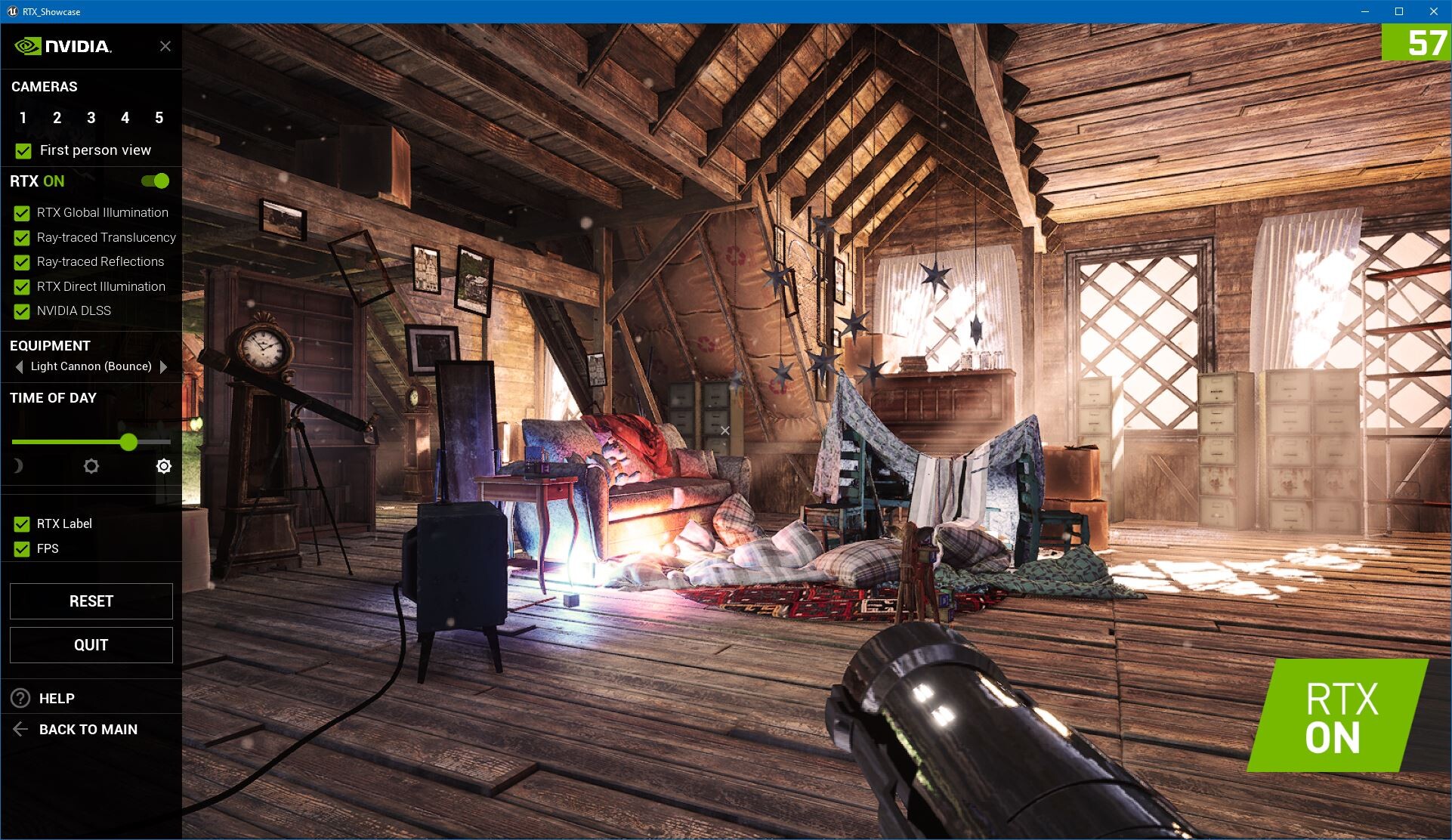
We are hosting the NVIDIA "Attic" RTX + DLSS interactive tech-demo in our Downloads section. Developed on Unreal Engine 4, the demo puts you in the bunny-slippers of a little girl playing around in her attic. This is no normal attic, it's her kingdom, complete with stuff to build a pillow fort, an old CRT TV playing retro NVIDIA commercials, a full-length mirror, really cool old stuff, and decorations. You can explore the place in a first-person perspective.
The interactive demo is brought to life with on-the-fly controls for RTX real-time raytracing and its various features, DLSS performance enhancement, a frame-rate counter, and controls for time-of-day, which alters lighting in the room. The demo shows off raytraced reflections, translucency, global-illumination, direct-illumination, and DLSS. You also get cool gadgets such as the "light cannon" or a reflective orb, that let you play around with dynamic lighting some more. To use this demo, you'll need a machine with an RTX 20-series "Turing" or RTX 30-series "Ampere" graphics card, and Windows 10. The demo also works on Radeon RX 6000 series GPUs. Grab it from the link below.
DOWNLOAD: NVIDIA Unreal Engine 4 RTX & DLSS Demo
More...
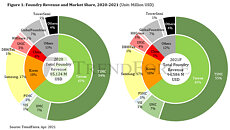
(PR) Foundry Revenue Projected to Reach Historical High of US$94.6 Billion in 2021 Thanks to High 5G/HPC/End-Device Demand, Says TrendForce
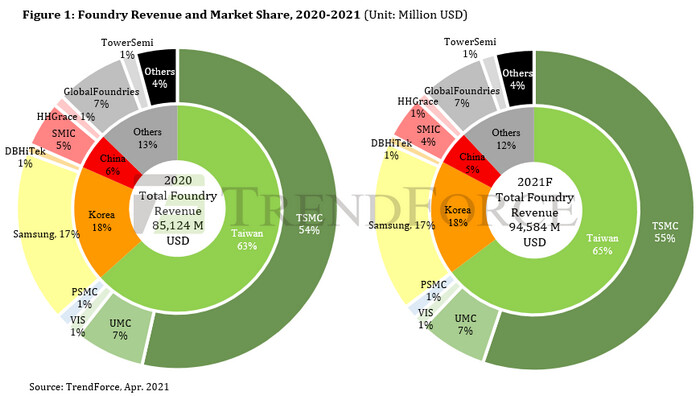
As the global economy enters the post-pandemic era, technologies including 5G, WiFi6/6E, and HPC (high-performance computing) have been advancing rapidly, in turn bringing about a fundamental, structural change in the semiconductor industry as well, according to TrendForce's latest investigations. While the demand for certain devices such as notebook computers and TVs underwent a sharp uptick due to the onset of the stay-at-home economy, this demand will return to pre-pandemic levels once the pandemic has been brought under control as a result of the global vaccination drive. Nevertheless, the worldwide shift to next-gen telecommunication standards has brought about a replacement demand for telecom and networking devices, and this demand will continue to propel the semiconductor industry, resulting in high capacity utilization rates across the major foundries. As certain foundries continue to expand their production capacities this year, TrendForce expects total foundry revenue to reach a historical high of US$94.6 billion this year, an 11% growth YoY.
More...
GPU Memory Latency Tested on AMD's RDNA 2 and NVIDIA's Ampere Architecture
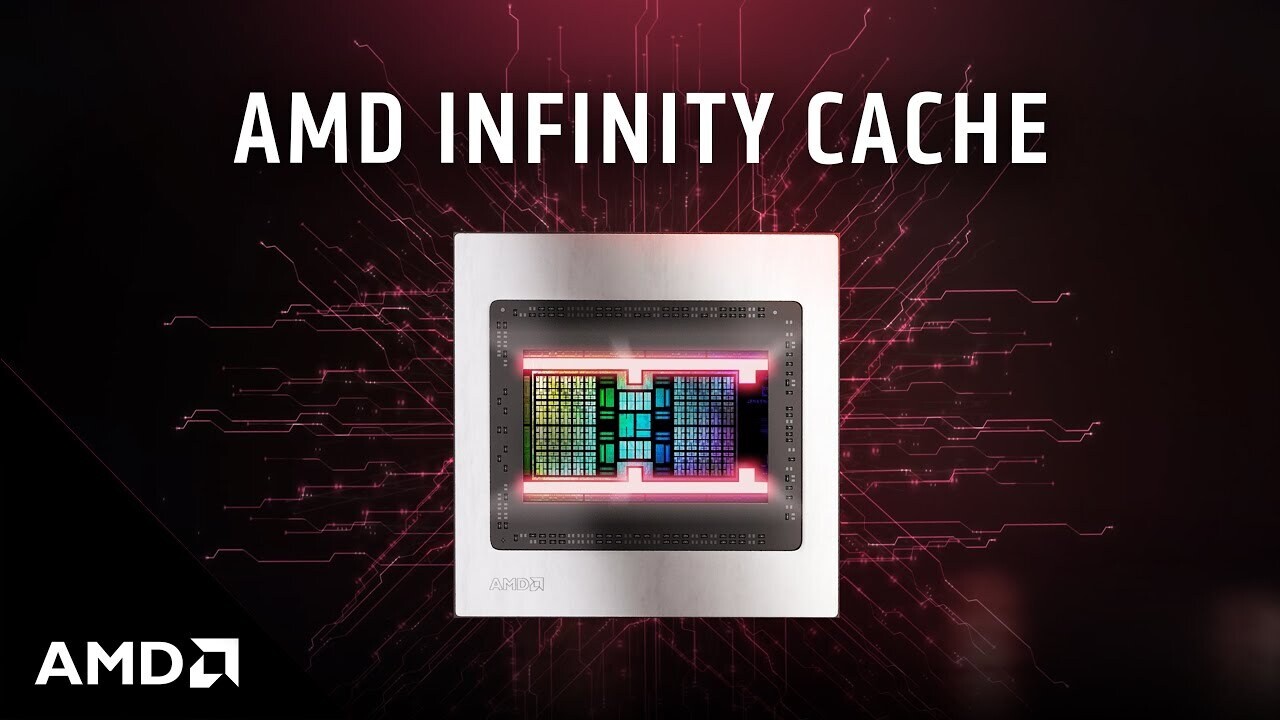
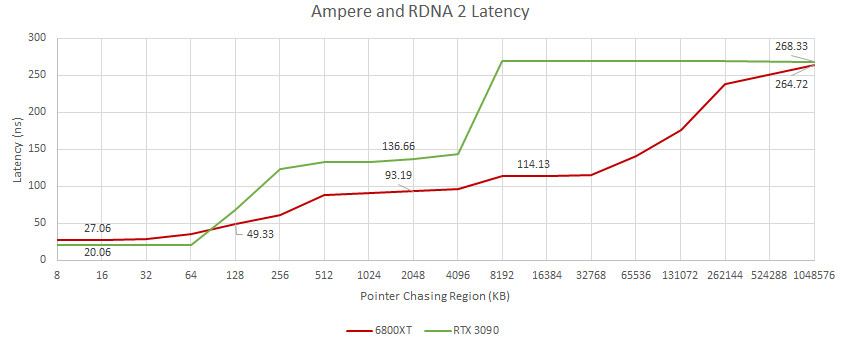
Graphics cards have been developed over the years so that they feature multi-level cache hierarchies. These levels of cache have been engineered to fill in the gap between memory and compute, a growing problem that cripples the performance of GPUs in many applications. Different GPU vendors, like AMD and NVIDIA, have different sizes of register files, L1, and L2 caches, depending on the architecture. For example, the amount of L2 cache on NVIDIA's A100 GPU is 40 MB, which is seven times larger compared to the previous generation V100. That just shows how much new applications require bigger cache sizes, which is ever-increasing to satisfy the needs.
Today, we have an interesting report coming from Chips and Cheese. The website has decided to measure GPU memory latency of the latest generation of cards - AMD's RDNA 2 and NVIDIA's Ampere. By using simple pointer chasing tests in OpenCL, we get interesting results. RDNA 2 cache is fast and massive. Compared to Ampere, cache latency is much lower, while the VRAM latency is about the same. NVIDIA uses a two-level cache system consisting out of L1 and L2, which seems to be a rather slow solution. Data coming from Ampere's SM, which holds L1 cache, to the outside L2 is taking over 100 ns of latency.
More...
(PR) MSI Announces Modern AM241 & AM271 Series All-in-One Desktop PCs
MSI, a world leader in high performance and innovative computing solutions, announced the Modern AM241 and Modern AM271 Series All-in-One PC. Featuring the eye care and ergonomic design with an IPS panel which brings a wide viewing angle and enhanced viewing experience, Modern AM241 and AM271 series are designed with efficiency and productivity in mind.
Working with the MSI Modern AM241 and AM271 series All-in-One PCs are the best way to style a desk, home or even home office, they are both aesthetically pleasing and completely functional no matter when you are learning, working or cooking at home or in the office. The innovative Modern AM series All-in-One PC is designed to stylishly increase visual comfort while performing the computer tasks at home or in the office. Both models come with MSI's Anti-Flicker technology, which eliminates flickering and effectively reduces eye fatigue caused by prolonged use time while enhancing your productivity. The Less Blue Light Mode filters visual exposure to the blue light during daily use and brings you the most comfortable viewing experiences.
More...
(PR) Silicon Power Announces XD80 PCIe Gen3 M.2 SSD
Silicon Power (SP) is releasing its latest PCIe Gen3 x4 SSD, the XD80, available in massive storage capacities up to 2 TB. It is the ideal solution for performance enthusiasts building custom gaming rigs or desktops. Featuring SLC Caching and DRAM Cache Buffer, the XD80 peels rubber with blazing read/write speeds up to 3,400/3,000 MB/s, respectively. Its high-speed PCIe Gen3 x4 interface leaves traditional SATA III SSDs behind in the dust, giving hardcore gamers the competitive edge they need to secure the win.
With NVMe 1.3 support, the XD80 delivers higher performance, lower latency, and lower power consumption for the smoothest gameplay without any lag. The durable aluminium heatsink provides maximum heat dissipation and thermal management. In fact, compared to SSDs without a heatsink, the XD80 keeps temperatures as much as 20% lower, maintaining its stability.
More...
Amazon Cancels Development of Lord of the Rings MMO
Amazon Game Studios has cancelled the development of their Lord of the Rings game which was announced in 2019 after a contract dispute. Amazon Game Studios was jointly developing the game with Chinese company Leyou Technologies who were purchased by Tencent in December 2020 which prompted contract negotiations that could not be resolved and resulted in the cancellation of the game. Amazon has confirmed that all staff members working on the game will be reallocated and that they are disappointed they cannot release the game. This latest blow to Amazon Game Studios comes at a time when the division is already struggling with various titles announced getting delayed or cancelled.
More...
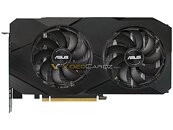
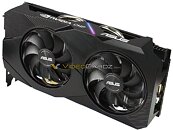
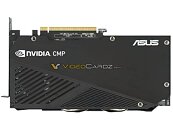
ASUS CMP 30HX Mining Card Spotted with RGB Lighting
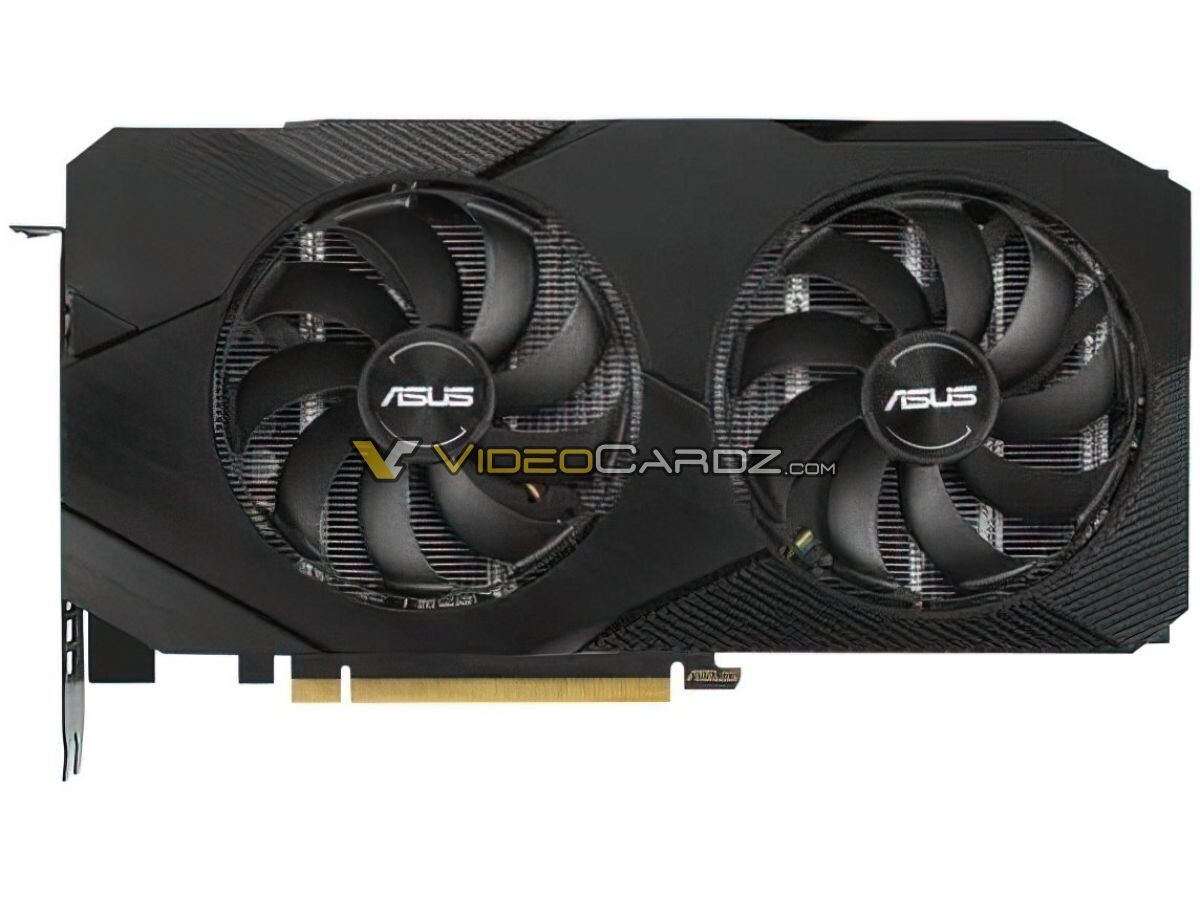
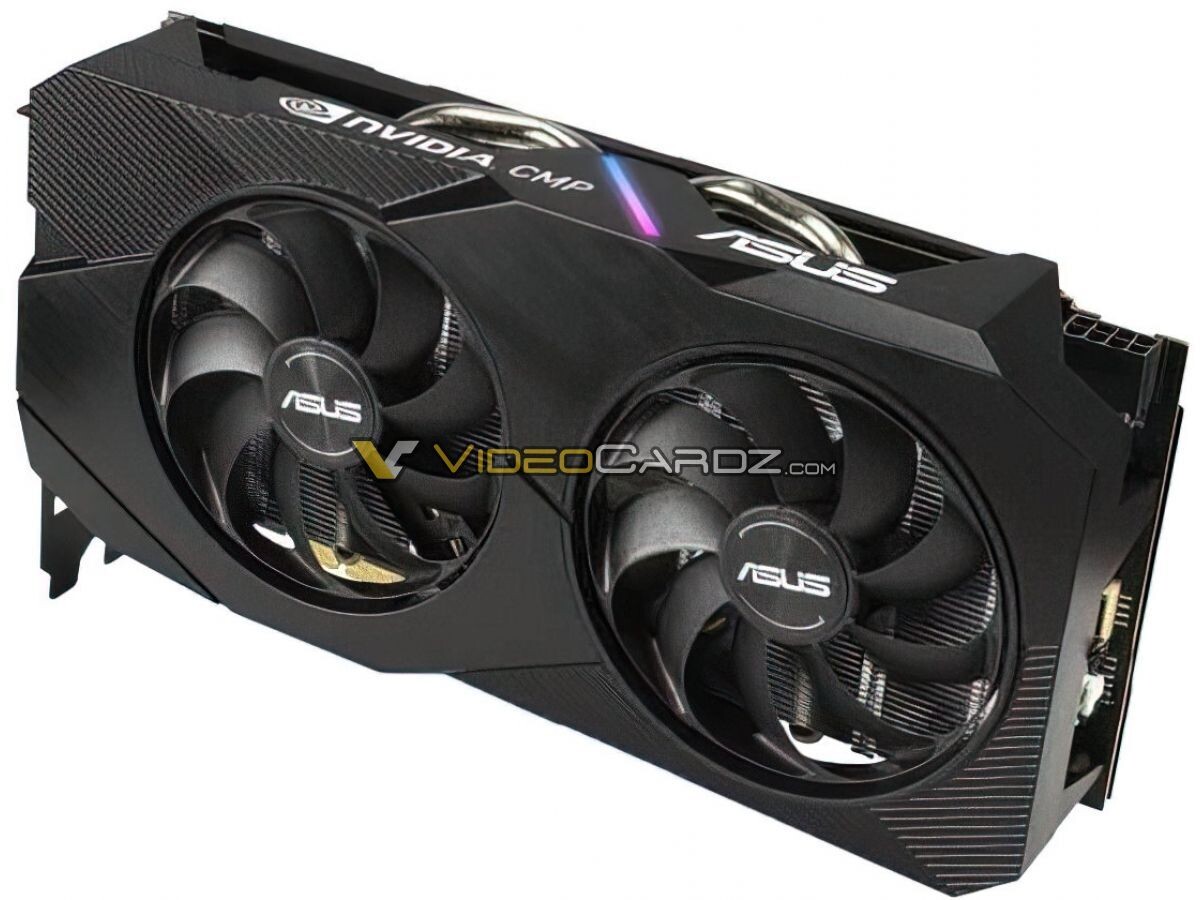
We saw Gigabyte release the first NVIDIA CMP (Crypto Mining Processor) 30HX card last week, ASUS has now revealed their version of the card with RGB lighting. The ASUS CMP30HX-6G features the same design as the ASUS GeForce GTX 1660 SUPER DUAL EVO minus the display connectors. The card features a 2.7 slot design with a dual-fan cooling solution which appears to be the most common design for these cards. The clock speeds and memory configuration are identical to that of Gigabyte's which are both the same as the GeForce GTX 1660 SUPER on which the CMP 30HX is based on. The ASUS CMP 30HX will reportedly launch in May with a MSRP of 799 USD which is similar to other rumors.
More...
(PR) Transcend Introduces SSD250N 2.5" NAS Drive
Transcend, is proud to announce the new launch of the SSD250N, a 2.5" solid-state drive (SSD) tailor-made for Network Attached Storage (NAS) systems to support rising demand for remote offices, remote education, and remote recreation brought on by COVID-19. This drive was specifically designed for continually operating NAS systems. The built-in DRAM cache and 3D NAND flash deliver high IOPS, reducing latency and speeding up NAS systems. Packed with multiple advanced technologies, the SSD250N provides outstanding reliability and extends NAS lifespan, fully assisting small and medium-sized business operations, multimedia streaming at home, and speeding up multi-user access to shared data.
Transcend's SSD250N is ready for use with NAS systems on 24/7 as it offers up to 2,000 TBW. Its 3D NAND flash and the SATA III interface unleash random speeds of up to 82K IOPS, optimizing data transfer. The built-in DRAM cache boosts read and write speeds, offering stable performance for seamless backups, instant central management and real-time file synchronization. Whether your NAS is serving up your favorite shows on your home media center while archiving music, photos, and videos, or is used in 4K or 8K video editing, or even at a business constantly trading data with clients, the SSD250N is ready to do the heavy lifting.
More...
 Posting Permissions
- You may not post new threads
- You may not post replies
- You may not post attachments
- You may not edit your posts
-
Forum Rules